Pickleball Kitchen Rules Complete Guide for New and Experienced Players
Why Kitchen Violations Cost You More Than Just Points
You're up 10-9, match point. Perfect setup at the net. You crush a volley (winner for sure). Then the ref's whistle blows. "Kitchen fault." Game over. You lost because your toe grazed a line you weren't even looking at.
Pickleball kitchen rules cause more confusion, arguments, and lost points than any other regulation in the game. The non-volley zone rules seem simple on paper: don't volley while standing in a 7-foot box. But the reality? Way more complicated.
Can you step in the kitchen after hitting? What about momentum? Does your paddle count? Your hat? Most players think they understand the rules until a crucial point gets called against them. One pickleball kitchen fault at the wrong moment ends rallies, crushes momentum, and hands free points to opponents who actually know the regulations.
Whether you're brand new and learning the basics or you're an experienced player tired of arguing with refs about kitchen line rules, mastering the non-volley zone transforms your game. You'll play with confidence, position yourself strategically, and stop giving away easy points through violations.
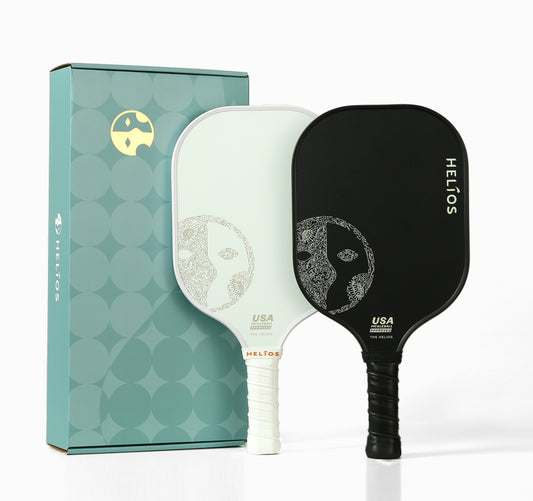
Want a paddle engineered specifically for precise net play where pickleball kitchen rules matter most? A paddle optimized for fast hands at the net with a widebody sweet spot delivers the control needed for legal kitchen line exchanges while rewarding proper positioning with devastating accuracy.
What is the kitchen in pickleball and why does it matter?

The kitchen (officially called the non-volley zone) is a 7-foot area on both sides of the net where volleying is prohibited. The zone extends from the net to the non-volley line, covering the full 20-foot width of the court.
Official dimensions and court positioning
Non-volley zone rules specify exact measurements. The kitchen is 7 feet deep on each side of the net, marked by a line parallel to the net. The line itself counts as part of the kitchen (touching the line equals standing in the zone).
Many players mistakenly think the kitchen is smaller or that the line doesn't count. Wrong. Any contact with the line during a volley results in a fault. The painted line is part of the restricted zone.
Purpose of the non-volley zone in game strategy
Why does the kitchen exist? Without non-volley zone rules, pickleball would become volleyball. Taller, more athletic players would dominate by camping at the net and smashing everything. The kitchen levels the playing field.
The rule forces strategy over pure power. You can't just stand at the net and pound balls. You must position yourself carefully, time your movements precisely, and develop touch instead of relying on smashes.
How kitchen rules level the playing field
The kitchen makes pickleball accessible to players of all ages and athletic abilities. A 70-year-old with great positioning and soft hands can compete against a 25-year-old athlete. The pickleball kitchen rules reward strategy, patience, and skill over raw athleticism.
Read More About Pickleball Singles vs Doubles Rules Need to Know Before Playing
When can you enter the kitchen zone during play?
Can you step in the kitchen? Yes, but only under specific circumstances. Understanding legal entry scenarios prevents unnecessary faults.
Legal entry scenarios with ball contact
You can enter the kitchen anytime to hit a ball that has bounced. Once the ball bounces in the kitchen, all non-volley zone rules lift. Step in, hit your shot, stay in the kitchen as long as you want.
The restriction only applies to volleys (hitting the ball out of the air before it bounces). Groundstrokes from inside the kitchen are perfectly legal. Many beginners don't realize the difference and avoid the kitchen entirely, limiting their game.
Momentum carry-over situations
Here's where momentum fault pickleball rules get tricky. You cannot let your momentum from a volley carry you into the kitchen. Even if you hit the ball outside the kitchen, if your forward motion carries you across the line afterward, that's a fault.
Momentum fault pickleball violations happen constantly. You volley a ball just outside the kitchen line, your momentum carries you forward, your toe touches the line half a second after contact. Fault. Doesn't matter that contact occurred outside the zone. The momentum from that volley carried you in.
You must completely stop your momentum before entering the kitchen after a volley. Some players jump back after net volleys specifically to avoid momentum faults. Others plant their back foot firmly to halt forward motion.
Partner positioning in doubles play
In doubles, your partner can stand anywhere, including inside the kitchen, while you hit a volley outside the zone. No rule requires both players to stay out simultaneously.
However, communication prevents confusion. If both partners crowd the kitchen line during fast exchanges, accidental kitchen line rules violations increase. One player might accidentally push the other into the zone during a scramble.
Looking for a lightweight paddle that helps you react faster at the kitchen line? At just 7.8 oz with an elongated shape, the right equipment improves your ability to maintain legal positioning while still reaching balls effectively.
What are pickleball kitchen faults that cost you points?
Pickleball kitchen fault calls stop play immediately and award the rally to opponents. Knowing every violation scenario prevents giving away free points.
Volley contact while in the zone
The primary pickleball kitchen fault is volleying while any part of your body touches the kitchen or kitchen line rules boundary. Your feet, obviously. But also your hand if you brace yourself. Your knee if you lunge. Any body part contact during a volley equals a fault.
"During a volley" includes the entire hitting motion (from backswing through follow-through). Even if contact occurs outside the kitchen, if you step in during your follow-through, that's a fault.
Stepping on the line during volleys
The kitchen line rules are unforgiving. The line is part of the kitchen. Step on the line during a volley? Fault. Doesn't matter if 99% of your foot is outside the kitchen. One millimeter of your shoe touching the painted line during a volley ends the rally.
Many players develop the habit of staying 2-3 inches behind the line for safety margin. Better to give up a few inches of reach than risk touching the line.
Equipment or clothing touching the kitchen
Your paddle counts as an extension of your body under pickleball kitchen rules. Drop your paddle and it lands in the kitchen during a volley? Fault. Your hat falls off and touches the kitchen line? Technically a fault, though rarely enforced unless it affects play.
Anything you're wearing or holding that touches the kitchen during a volley can be called. Most recreational players don't enforce clothing violations strictly, but tournament refs might.
Modern paddle technology affects kitchen play positioning
Modern paddles with extended reach and larger sweet spots allow players to cover more court without entering the kitchen. Carbon fiber surfaces provide better feedback for touch shots at the line.
Advanced players using paddles engineered with widebody sweet spots can defend the kitchen line more effectively while maintaining legal positioning, extending their reach without crossing into the restricted zone.
How do you hit volleys near the kitchen line legally?
Mastering legal volleying technique near the kitchen separates advanced players from beginners. Proper footwork and body positioning prevent violations.
Proper footwork techniques
Plant your feet firmly 2-3 inches behind the kitchen line rules boundary before volleying. Never reach forward with your front foot during the hitting motion. All forward reach comes from your upper body, not stepping.
After volleys, practice the "reset step" (a small backward step that ensures you don't drift forward into the kitchen). Top players make the reset automatic after every net volley.
Body positioning for maximum reach
Lean forward from the waist, not from your feet. You can reach far over the kitchen line with your upper body and paddle as long as your feet stay behind the line. Some players lean so far forward their paddle is 2 feet past the line while feet remain legal.
Bend your knees and lower your center of gravity. Better balance prevents accidental forward momentum that causes momentum fault pickleball violations.
Recovery strategies after kitchen entry
After hitting a ball inside the kitchen (groundstroke), you must reestablish legal position before volleying again. Both feet must be completely outside the kitchen and all momentum from exiting must stop before you can volley.
Players often get caught volleying immediately after stepping out of the kitchen. The rule requires reestablishing position (not just getting your feet out, but stopping all motion from the exit).
Do kitchen rules differ between doubles and singles play?
Pickleball kitchen rules remain identical in singles and doubles. The 7-foot non-volley zone doesn't change. The volley restrictions apply equally.
Partner coordination in doubles
Doubles adds complexity through partner positioning. Both players defending the kitchen line must avoid collisions and communication breakdowns that cause pickleball kitchen fault violations.
Common doubles mistake: both partners rush to the same ball near the kitchen. One hits the volley while the other's momentum carries them into the kitchen. Fault on the partner who entered.
Singles-specific kitchen strategies
Singles players approach kitchen positioning differently. With no partner to cover angles, singles players stay deeper more often, using the kitchen primarily for put-aways rather than extended dinking rallies.
The full 20-foot width creates challenges in singles. Covering side-to-side while maintaining legal kitchen line rules positioning requires exceptional footwork and court coverage.
Communication techniques for doubles teams
Call "yours" or "mine" early on kitchen line balls. Establish who takes middle balls before play. One common system: player whose forehand is in the middle takes those balls.
After one partner enters the kitchen for a groundstroke, the other partner should communicate: "I've got volleys" or "You're in." Prevents the player exiting the kitchen from illegally volleying before reestablishing position.
Need a paddle with explosive power for put-aways when opponents give you kitchen opportunities? An elongated shape with extended hitting surface and maximized sweet spot delivers consistent performance during intense kitchen line rallies.
What are common kitchen rule mistakes players make?
Even experienced players commit pickleball kitchen fault violations through misunderstanding subtle rules.
Misunderstanding momentum rules
The most common mistake: thinking you can volley close to the line, then step in after contact. Wrong. Momentum fault pickleball rules prohibit any momentum from the volley carrying you into the kitchen, even after the ball is gone.
Your momentum must be completely stopped before entering. If you're still moving forward from the volley motion when you cross the line, that's a fault.
Incorrect line positioning
Many players don't realize the line counts as part of the kitchen. Standing with your toes touching the line while volleying is illegal, even though most of your foot is outside the zone.
Another positioning mistake: thinking you can reach over the kitchen to volley as long as you jump and your feet don't touch. Wrong. If you jump from inside the kitchen or if momentum from your jump started inside the kitchen, you can't volley until reestablishing outside.
Equipment-related violations
Dropping your paddle during a volley motion and having it land in the kitchen causes faults. Rare, but happens during aggressive net exchanges where paddles slip from sweaty hands.
Some players use overgrips that become slippery with sweat. Better equipment prevents paddle drops that might cause kitchen line rules violations.
How does kitchen strategy change your game performance?
Understanding non-volley zone rules unlocks strategic advantages most recreational players never exploit.
Offensive positioning advantages
Advanced players "crowd" the kitchen line (positioning themselves as close as legally possible without touching). The closer you are, the better angles you create and the less time opponents have to react.
Crowding the line requires confidence in your footwork and pickleball kitchen rules knowledge. One mistake costs the point, but the offensive advantage is worth the risk.
Defensive kitchen play
When opponents dominate the kitchen line, hitting low shots forces them to let balls bounce, pulling them into the kitchen for groundstrokes. Once they're in the kitchen, lob over their heads. They can't volley from inside the zone.
Defensive players use the kitchen as a trap. Invite opponents to hit drop shots into the kitchen, then hit passing shots or lobs that force violations.
Tournament-level strategic considerations
Professional players manipulate kitchen line rules strategically. They hit shots designed to make opponents violate (low drives that force opponents to step in while volleying, or short dinks that pull opponents forward where momentum becomes hard to control).
Tournament players also master the "erne" (running around the kitchen to volley balls from the side). Legal because you never entered the kitchen from the court side. Requires exceptional footwork and non-volley zone rules knowledge.
Why premium paddle control becomes crucial near the kitchen line
Precision matters more at the kitchen line than anywhere else on the court. The margin between a winning dink and a pickleball kitchen fault measures in inches.
Players serious about kitchen line dominance use paddles with thermoformed construction that provide consistent performance and superior control. The highest level of surface grittiness approved by USAPA, combined with the largest sweet spot, helps you place shots precisely while maintaining legal positioning.
Master the kitchen and control every match
Pickleball kitchen rules aren't just regulations to memorize. Mastering the non-volley zone fundamentally changes how you play. Kitchen line rules, momentum fault pickleball prevention, and strategic positioning separate players who occasionally win from players who consistently dominate.
Understanding non-volley zone rules prevents giving away free points through violations. More importantly, proper kitchen positioning creates offensive opportunities and defensive strategies most recreational players never discover. The question can you step in the kitchen has a simple answer (yes, after the bounce) but implementing that knowledge under match pressure requires practice and confidence.
The kitchen is where matches are won and lost. Soft hands, precise placement, and legal positioning at the kitchen line beat power and athleticism every time.
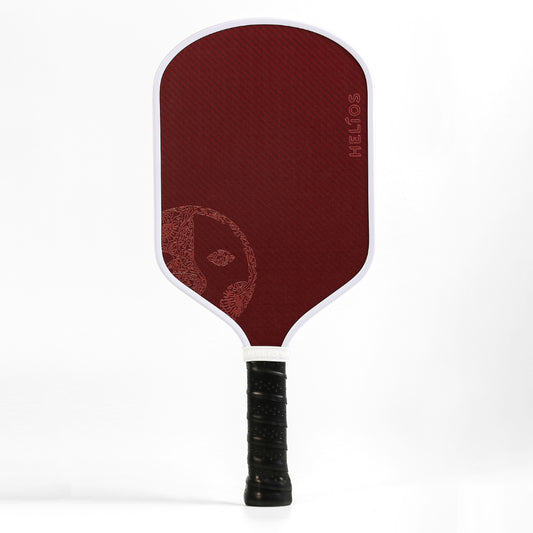
Ready to dominate the kitchen line with equipment engineered for precision net play? Helios Pickleball builds paddles specifically for players who understand that controlling the kitchen means controlling the match. From beginner-friendly paddles with forgiving sweet spots to pro-level options with DuPont Kevlar construction, every paddle earns USAPA approval and comes backed by a lifelong warranty.
Your kitchen knowledge is complete. Give that knowledge equipment worthy of championship-level net play. Browse the complete Helios collection and feel the difference when kitchen mastery meets premium paddle construction designed for legal, dominant positioning.
Frequently Asked Questions
Can you step in the kitchen after the ball bounces?
Yes, once the ball bounces in the kitchen, you can enter and hit the ball. The non-volley zone rules only restrict volleying (hitting the ball before it bounces). Groundstrokes from inside the kitchen are completely legal.
What happens if you touch the kitchen line?
Touching the kitchen line rules boundary during a volley results in an immediate fault. The line counts as part of the kitchen. Even if 99% of your foot is outside the zone, touching the line during a volley or follow-through ends the rally.
Why is it called the kitchen in pickleball?
The origin is debated, but one theory suggests it comes from shuffleboard where the "kitchen" was a scoring zone to avoid. Another theory links it to the phrase "if you can't stand the heat, stay out of the kitchen," referring to the pressure at the net.
What is a momentum fault?
A momentum fault pickleball violation occurs when your forward momentum from hitting a volley carries you into the kitchen after contact. Even if the ball is gone and contact occurred outside the zone, if momentum from the volley causes you to enter, that's a fault.
Can you volley if your foot is in the air over the kitchen?
No. If you jump from inside the kitchen or if your momentum started from inside the kitchen, you cannot volley. You can reach over the kitchen to volley only if you established your position completely outside the zone before jumping.
What happens if my paddle touches the kitchen line?
Your paddle is considered an extension of your body under pickleball kitchen rules. If your paddle touches the kitchen or kitchen line during a volley or follow-through, that's a fault. The same rules apply to paddles as to any body part.
How long do I need to wait after leaving the kitchen before I can volley?
You must reestablish legal position (both feet outside the kitchen with all momentum stopped) before volleying. No specific time requirement exists, but you cannot volley while still in motion from exiting the kitchen.
Can my partner be in the kitchen while I volley in doubles?
Yes, your partner's position doesn't affect your ability to volley legally. As long as you're outside the kitchen during your volley, your partner can be anywhere on the court, including inside the kitchen. Only the player hitting the volley must maintain legal positioning.