What Makes a Pickleball Paddle Worth $200 or More?

You might have seen pickleball paddles priced everywhere from $30 to $300. At first glance, they all look like the same basic shape. So what exactly are you paying for when you spend $200 or more on a paddle?
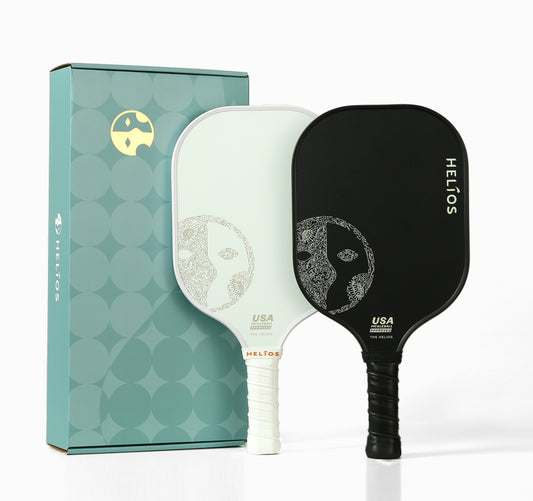
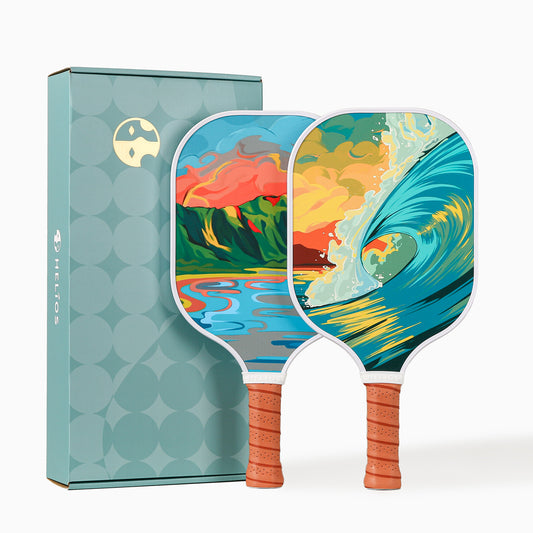
The short answer: materials, construction quality, and technology that directly affect how the paddle performs in your hands. At Helios, we engineer our paddles with these principles in mind, which is why options like our Toray Performance Pickleball Paddle Set deliver premium performance. Let us break down what actually justifies the price tag on premium pickleball paddles.
[[product:toray-performance-pickleball-paddle-set]]
What Actually Goes Into a Premium Pickleball Paddle?
Premium pickleball paddles are not just about brand names or fancy graphics. The price difference comes down to three core factors: face materials, core construction, and manufacturing precision.
Face Materials
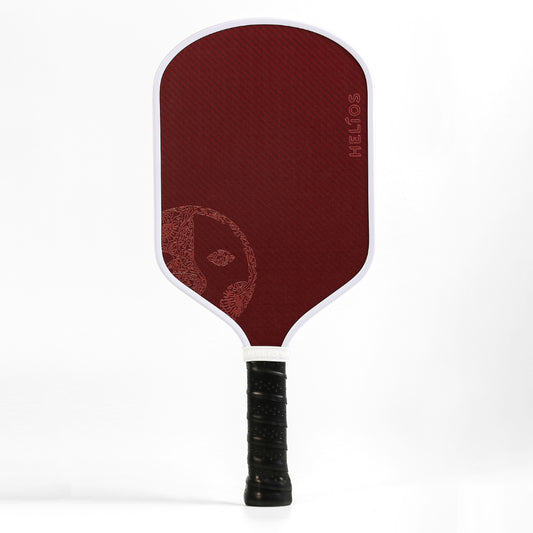
The paddle face is where the ball meets the paddle, and material choice dramatically affects performance. Budget paddles often use basic fiberglass or composite materials. A $200 pickleball paddle typically features carbon fiber (often T700 grade), which offers better responsiveness, durability, and feel at contact. Our Helios paddle uses this premium carbon fiber construction for that crisp, responsive feel players love.
Carbon fiber faces can be engineered thinner while maintaining strength, creating a livelier response without adding weight. Players notice crisper shot feedback and more consistent performance across the paddle face.
[[product:the-helios-pickleball-paddles]]
Core Construction
Inside every paddle sits a honeycomb core that determines power, control, and feel. High-end paddle features include polymer honeycomb cores with precisely sized cells optimized for specific playing characteristics.
- Thicker cores (16mm): More control and a larger sweet spot, ideal for touch players
- Thinner cores (13-14mm): More power and faster swing speeds, preferred by aggressive players
- Core density: Premium cores use consistent cell structures for predictable ball response
Manufacturing Precision
Expensive pickleball paddles often use thermoformed construction, where the paddle is molded under heat and pressure as a single unit. Budget paddles typically glue layers together, which can create inconsistencies over time. When manufactured correctly, thermoforming produces a more uniform paddle with better edge stability and a longer lifespan.
Cheap vs Expensive: What's the Real Difference on Court?
Numbers and materials only tell part of the story. Here is how these differences translate to actual gameplay.
Budget Paddles (Under $75):
- Less consistent weight distribution, which can affect balance and feel
- Smaller effective sweet spot
- Less consistent ball response across the face
- Typical lifespan: 6-12 months with regular play
Premium Paddles ($150-250+):
- Optimized weight distribution (typically 7.3-8.3 ounces with balanced feel)
- Larger, more forgiving sweet spot
- Better spin potential from textured carbon faces
- Typical lifespan: 1-3 years with proper care
When Is Spending $200 Actually Worth It?
Not everyone needs a premium pickleball paddle. Your playing frequency, skill level, and goals should guide your decision.
A premium paddle makes sense if:
- You play three or more times per week
- You compete in tournaments or leagues
- You have developed your playing style and know what you want
- You want equipment that lasts years, not months
You can skip the premium price if:
- You are just learning the basics (try our Helios Beginner Pickleball Paddle Set instead)
- You play casually once or twice a week
- You are still figuring out whether you prefer power or control
[[product:helios-beginner-pickleball-paddle-set]]
Find the Right Paddle for Your Game
At Helios, we design paddles that deliver premium performance without unnecessary markups. Looking for aggressive baseline play? The Apollo delivers the responsiveness and durability that competitive players demand, with high-end paddle features built into every paddle.
Want something versatile for both power and finesse? The Astraeus offers balanced performance for players who refuse to compromise. And for those who prioritize touch at the kitchen line, the Selene gives you the control you need for precise dinks and resets.
[[product:the-apollo]]
The Bottom Line
A $200 pickleball paddle is not automatically better for everyone, but the price reflects real differences in materials, construction, and longevity. Carbon fiber faces, precision cores, and thermoformed construction create paddles that perform more consistently and last longer than budget alternatives. Check out this YouTube short by Helios to understand better.
The right investment depends on how seriously you play. Ready to find the paddle that matches your game? Browse our full collection and feel the difference quality makes.
Frequently Asked Questions
Q: Are expensive pickleball paddles really better?
In terms of materials and construction, yes. Premium paddles use higher-grade carbon fiber, more precise manufacturing, and better core materials. Whether that translates to a better game depends on your skill level and how often you play.
Q: What is the main difference between a $50 and $200 paddle?
Face material (basic composite vs carbon fiber), core quality (inconsistent vs optimized honeycomb), and construction method (glued layers vs thermoformed). These differences affect feel, durability, and consistency.
Q: How long should a premium paddle last?
With regular play and proper care, expect 1-3 years from a quality paddle. Budget paddles typically show performance decline after 6-12 months.
Q: Do I need to spend $200 to compete in tournaments?
No. Skill matters more than equipment. However, competitive players often prefer premium paddles for the consistency and durability they provide during intense play.
Q: Is the brand name the reason paddles cost more?
Partially. Some brands charge a premium for sponsorships and marketing. However, legitimate price differences usually reflect material quality and manufacturing processes. Look at specs, not just logos.