Pickleball Warm-Up Routine: 7 Minutes That Prevent the Most Common Injuries

Pickleball-related ER visits jumped from about 1,300 in 2014 to over 24,000 in 2023, according to a study using the National Electronic Injury Surveillance System. Sprains and fractures account for more than half of those injuries. The most common ones: sprained ankles, knee strains, shoulder issues, and wrist fractures, almost all come from cold muscles meeting fast lateral movement.
Seven minutes of the right pickleball warm-up routine before you step on the court can cut that risk down. Not a jog around the parking lot. Not static toe touches. A real pre-game pickleball warm-up that targets the joints and muscle groups this sport actually loads.
Why Static Stretching Before Play Does Not Work
Pickleball stretching before play needs to be dynamic, not static. Holding a hamstring stretch for 30 seconds before a match does not prepare your muscles for quick side-to-side shuffles, sudden stops, or overhead reaches.
A good pickleball paddle will not suffice without a dynamic warm-up routine, which moves your joints through their full range of motion while gradually increasing your heart rate. That combination is what gets your body ready for the pace of the game.
The 7-Minute Routine
This pickleball mobility warm-up covers the six body areas most affected by the sport: ankles, knees, hips, lower back, shoulders, and wrists. Do each move for about 60 seconds. The whole sequence takes 7 minutes.
Minute 1: Lateral Shuffles
- Stand in a ready position.
- Shuffle 10 feet to the right, then 10 feet to the left.
- Stay low with knees slightly bent.
This warms up your ankles and knees for the lateral court movement that causes most sprained ankles in pickleball. Repeat for 60 seconds.
Minute 2: Leg Swings
- Hold a fence or net post for balance.
- Swing one leg forward and back 10 times, then side to side 10 times.
- Switch legs.
This opens up your hips and activates your hamstrings and hip flexors. Tight hips lead to lower back strain, which is the second-most common complaint among players over 50.
Minute 3: Walking Lunges With a Twist
- Take a step forward into a lunge.
- At the bottom, rotate your torso toward your front knee.
- Alternate legs for 60 seconds.
This combines hip, knee, and trunk mobility in one move. The twist warms up your lower back and obliques, the same muscles you use every time you rotate for a groundstroke.
Minute 4: Arm Circles and Shoulder Pass-Throughs
- Start with small arm circles, gradually making them larger.
- 15 seconds forward, 15 seconds backwards.
- Then hold your paddle with both hands in front of you, arms extended, and slowly raise it overhead and behind your back.
This is especially important for your rotator cuff, which handles every serve, overhead smash, and backhand in pickleball.
Minute 5. Wrist Circles and Flexion Stretches
- Extend one arm in front of you, palm facing down.
- Use the other hand to gently pull your fingers back for 5 seconds, then push them down for 5 seconds. Alternate hands.
- Finish with 10 wrist circles in each direction.
Wrist fractures make up about 13% of all pickleball-related ER visits, and loose, warm wrists absorb impact better if you do fall.
Minute 6. High Knees to Butt Kicks
- 30 seconds of high knees
- 30 seconds of butt kicks.
This gets your heart rate up and primes your quads, hamstrings, and calves for explosive movement. Think of this as the ignition switch before you start playing points.
Minute 7. Soft Dinking Rally
- Grab your paddle and a ball.
- Stand at the kitchen line with a partner and dink back and forth for 60 seconds.
- Keep it soft and controlled.
This warms up your grip, your wrist, and your hand-eye coordination in one move. It also transitions your body from warm-up mode to game mode.
If you do not have a partner, bounce the ball off the paddle face gently for 30 seconds per hand. A recreational paddle with a fiberglass face is forgiving enough for this kind of controlled warm-up work.
What to Keep in Your Bag for Recovery
An injury prevention warm-up covers the "before." Smart recovery covers the "after." Keep a few items in your court bag and pickleball bag for post-game care:
[[product:helios-apex-pro-pickleball-bag]]
- A fresh overgrip from the Helios accessories collection to maintain a secure, comfortable hold and reduce hand fatigue
- A small foam roller or massage ball for calves and forearms
- A towel and water bottle (dehydration tightens muscles faster than anything)
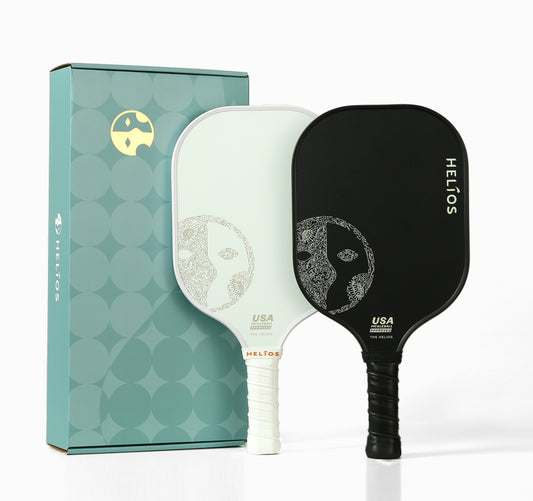
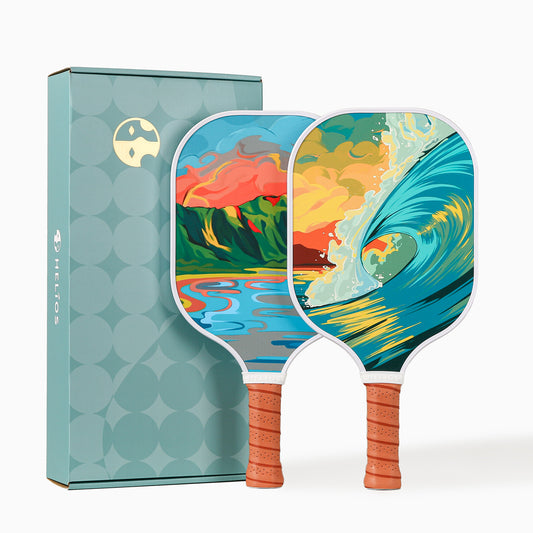
Players who carry a paddle set can rotate between paddles with different weights during warm-up and play to reduce repetitive strain on one grip pattern.
Seven Minutes Now Saves Weeks Later
A 7-minute pickleball warm-up routine is a small price for staying on the court all season. The lateral shuffles protect your ankles. The leg swings protect your hips. The arm circles protect your shoulders. The wrist work protects against fractures. None of it is complicated. All of it matters.
Make it a habit before every game. Your body adjusts to the movement, your mind locks in, and you play better from the first point. Browse the Helios collection for paddles, grips, and court gear that support your game from warm-up to match point.
Frequently Asked Questions
How long should a pickleball warm-up take?
Seven minutes is enough if you focus on dynamic movements that target the right areas: ankles, knees, hips, shoulders, and wrists. Longer sessions (10 to 15 minutes) help if you are recovering from a previous strain or playing in cold weather.
Should I stretch before or after pickleball?
Do dynamic stretches (movement-based) before playing and static stretches (hold-based) after playing. Static stretching on cold muscles before a match can reduce power and reaction time. Save the long holds for your cool-down.
What is the most common pickleball injury?
Sprains and fractures, each accounting for about 27% of pickleball-related ER visits according to a national surveillance study. Sprained ankles from lateral movement and wrist fractures from falls are the most frequent. Most injuries affect players 50 and older.
Can warming up actually prevent pickleball injuries?
Yes. A dynamic warm up pickleball routine increases blood flow to muscles, improves joint range of motion, and activates the stabilizer muscles around your ankles and knees. Cold muscles and stiff joints are the setup for most strains and sprains.
Do I need to warm up if I am just playing casually?
Yes. Casual games still involve quick lateral shuffles, sudden stops, and overhead reaches. Your muscles and joints do not know the difference between a tournament and a backyard rally. Even 5 minutes of movement before playing makes a noticeable difference.
What is the best way to warm up my shoulders for pickleball?
Arm circles (small to large, forward and backward) plus shoulder pass-throughs using your paddle. These movements warm up the rotator cuff, which handles serves, overheads, and backhands. Spend at least 60 seconds on shoulder mobility before playing.