Pickleball Spin Rules: What's Legal After 2024-25 Changes

The spin serve debate has been one of the loudest conversations in pickleball since 2022. Players were pre-spinning the ball with their fingers, creating serves that curved wildly and bounced unpredictably. Returners had almost no chance. Then the rules changed. And then they changed again.
If you are still asking "is the spin serve legal?" the answer is: it depends on how the spin gets there. Here is exactly what is legal, what is banned, and what the current pickleball spin serve rules say heading into 2026.
What Changed and When
The rules around serve spin have evolved across three consecutive rule cycles. Here is the timeline based on the USA Pickleball Rulebook and official rule change announcements.
| Year | What Changed |
|---|---|
| Pre-2023 | Pre-spun serves were legal. Players could spin the ball with fingers or against the paddle before tossing. The "chainsaw serve" was born. |
| 2023 | USA Pickleball banned pre-spun serves. Rule 4.A.5 required the ball to be released without manipulation. Only paddle-generated spin on contact remained legal. |
| 2025 | Rule 4.A.5 updated: ball can now be released by hand or paddle, but no spin can be imparted during the release from either. Drop serve allows the ball to roll off the paddle face by gravity only. |
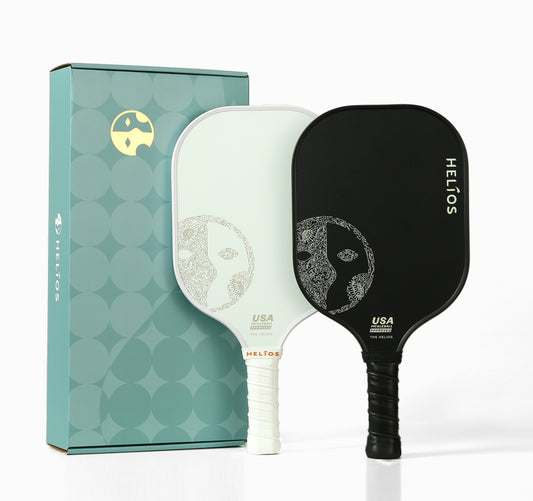
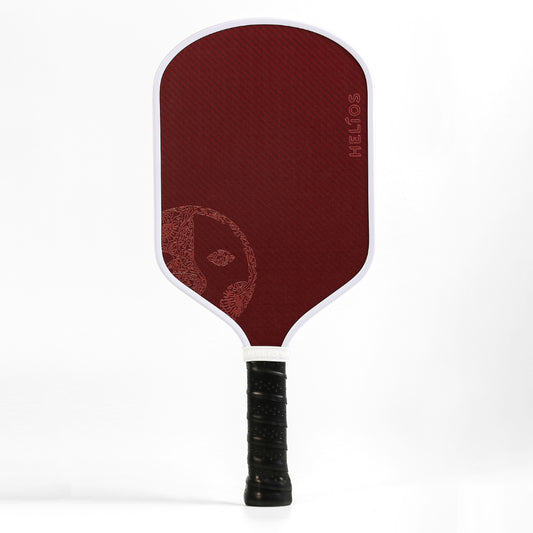
The Helios paddle collection is built for the legal spin game: textured carbon fiber faces that generate spin at contact, within the rules.
The Chainsaw Serve Rule and Why It Got Banned
The chainsaw serve was a technique where a player held the ball against the paddle face, rolled or flicked the paddle to spin the ball rapidly, then tossed and struck it. The pre-loaded spin made the ball curve through the air and bounce sideways at angles that were nearly impossible to read.
The chainsaw serve rule change was made "to keep the game fair and competitive. Pre-spun serves produced unpredictable bounces that were nearly impossible to return." USA Pickleball determined that the spin came from hand or paddle manipulation before the serve, not from the serve motion itself, and that violated the spirit of fair play.
The chainsaw serve is now explicitly illegal under Rule 4.A.5. Any spin applied to the ball before the paddle contacts it on the serve is a fault.
What Spin Is Still Legal on Your Serve
Here is the straightforward answer to "is the spin serve legal": yes, if the spin is created by your paddle during the serve motion. According to DUPR, "once the paddle contacts the ball, you're free to generate as much spin as your technique allows."
Three legal spin serves remain fully within the rules:
Topspin Serve
- Brush up the back of the ball during contact.
- The ball dips quickly and stays low after the bounce.
- This is the most common spin serve at every level.
- Topspin adds pace and makes returns harder to control.
Slice Serve
- Swing across the ball at contact.
- The ball curves sideways in the air and kicks away from the returner after the bounce.
- Effective for pulling opponents wide or targeting their backhand.
Backspin Serve
- Hit slightly under the ball to create a slower, lower bounce.
- Works especially well with the drop serve, where the ball bounces before being struck.
- The low, skidding bounce forces returners to hit up, giving you time to move forward.
All three are legal as long as the spin happens at the moment of paddle contact, not during the ball release.
Volley Serve vs Drop Serve and How Spin Applies to Each
The pickleball serve rules 2025 allow two serve types, and each has slightly different spin considerations.
Volley Serve
The ball is struck out of the air without bouncing. Three requirements apply:
- The paddle must move in an upward arc
- Ball contact must be below the waist
- The paddle head must stay below the wrist at contact
You can apply topspin, slice, or backspin at contact, but the upward arc and below-waist requirements limit how aggressively you can snap the paddle. Performance paddles with textured carbon fiber faces help generate spin within these constraints because the surface grit grabs the ball during the brief contact window.
Drop Serve
The ball is released from any height and allowed to bounce before being struck. After the bounce, there are no restrictions on the paddle's position or swing direction. That gives you more freedom to hit with aggressive spin angles.
The catch: the ball must be released cleanly. No manipulation. No spin added during the drop. Starting in 2025, you can let the ball roll off the paddle face by gravity, but you cannot push, flick, or spin the paddle during the release.
How Your Paddle Affects Legal Spin
Since spin must now come entirely from paddle contact, the paddle's surface matters more than ever. A smooth face generates less spin than a textured one. That is why surface roughness is capped at 30 micrometers by USA Pickleball, to prevent paddle surfaces from doing too much of the spin work.
Within that legal limit, there is a noticeable difference between paddle types:
- Carbon fiber faces (like T700 in the Helios performance line) have a natural grit that grabs the ball and generates more spin at contact
- Fiberglass faces (Helios recreational paddles) are smoother, offering less spin but more power and a softer feel
- Worn paddle faces lose grit over time, reducing spin capability. A paddle skin or replacement restores the surface texture
Spin Is Still a Weapon, Just an Honest One
The pickleball spin serve banned conversation was never about removing spin from the game. It was about removing pre-loaded spin from the serve. Topspin, slice, and backspin generated at the moment of contact are fully legal and still among the most effective tools on the court.
The rule is simple: the spin has to come from your paddle, your technique, and your motion. Not from your fingers, and not from a pre-serve flick. Master the legal spin serves and your serve game gets sharper without any risk of a rule violation. Browse the Helios collection for paddles with textured surfaces built to generate spin the right way.
Frequently Asked Questions
Is the spin serve still legal in pickleball?
Yes, if the spin is generated by the paddle during the serve motion. Pre-spinning the ball with your hand or paddle before the serve is illegal. Topspin, slice, and backspin applied at the moment of contact are all fully within the current rules.
What is the chainsaw serve and why was it banned?
The chainsaw serve involved spinning the ball against the paddle face before tossing it. The pre-loaded spin created unpredictable curves and bounces that were nearly impossible to return. USA Pickleball banned it in 2023 under Rule 4.A.5.
Can I release the ball from my paddle on a serve?
Yes, as of 2025. Rule 4.A.5 now allows the ball to be released by hand or paddle. If using the paddle for a drop serve, the ball must roll off by gravity only. No spin or manipulation can be applied during the release.
What are the volley serve requirements?
Three rules apply: the paddle must move in an upward arc, ball contact must occur below the waist, and the paddle head must remain below the wrist at contact. You can still apply spin at contact within these constraints.
Does paddle texture affect how much spin I can generate?
Yes. Carbon fiber faces have more natural grit, which grabs the ball and generates more spin at contact. Fiberglass faces are smoother and produce less spin. All paddle surfaces are limited to 30 micrometers of roughness by USA Pickleball.
Is the drop serve better for spin than the volley serve?
The drop serve gives you more flexibility because there are no restrictions on swing direction, paddle position, or contact height after the bounce. That freedom allows more aggressive spin angles. The volley serve limits your swing to an upward arc with contact below the waist, which restricts certain spin motions.