Pickleball Shot Selection by Court Position: A Heatmap Approach

Where you stand on the court matters just as much as how you swing the paddle. Most players spend hours perfecting their strokes, but the real edge in pickleball shot selection comes from knowing which shots work best from which zones. A heatmap approach simplifies the decision, giving you a mental map of high-percentage plays for every position on the court.
Whether you are grinding from the baseline or battling at the kitchen line, understanding pickleball court position shots transforms random swings into intentional strategy. Here is a zone-by-zone breakdown to sharpen your pickleball decision making before your next match.
Why Court Position Dictates Your Shots
A paddle can only do what the player tells it to do, and the smartest players let their feet make the first decision. Choosing the wrong shot from the wrong position is the fastest way to hand your opponent a free point, no matter how clean your technique looks.
The Heatmap Mindset
Picture the court divided into three colored zones: green at the kitchen line (high reward, low risk), yellow in the transition zone (medium risk, proceed with caution), and red at the baseline (limited options, patience required). Each zone has a short list of shots that consistently produce winning results. Stray outside that list, and your error rate climbs. Adopting a shot selection by zone mentality keeps your choices simple and your execution sharp.
The Baseline Zone: Patience Over Power
Standing behind the baseline puts you at the farthest point from the net, which means most aggressive shots carry too much risk. Your goal from back here is not to win the point outright. Your goal is to move forward safely.
Best Shots from the Baseline
The best shot from baseline almost always involves getting to the kitchen rather than blasting winners. Here are the shots that keep you in the rally and give you a path forward.
- Third-shot drops: a soft, arcing shot that lands in the kitchen, buying you time to advance toward the net.
- Deep drives: a firm shot aimed low over the net that pushes your opponent back and buys you positioning time.
- Lobs: used sparingly to catch net-rushing opponents off guard and reset the rally.
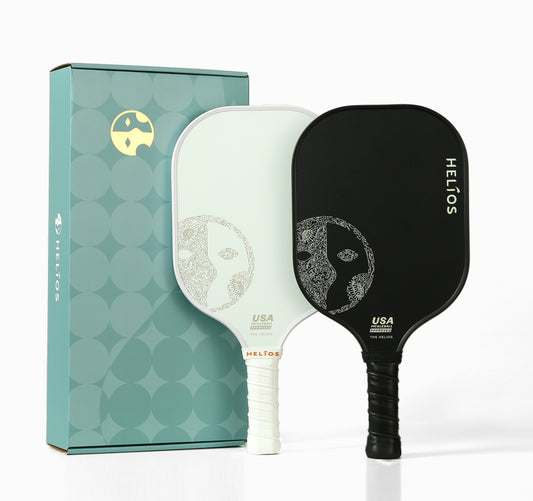
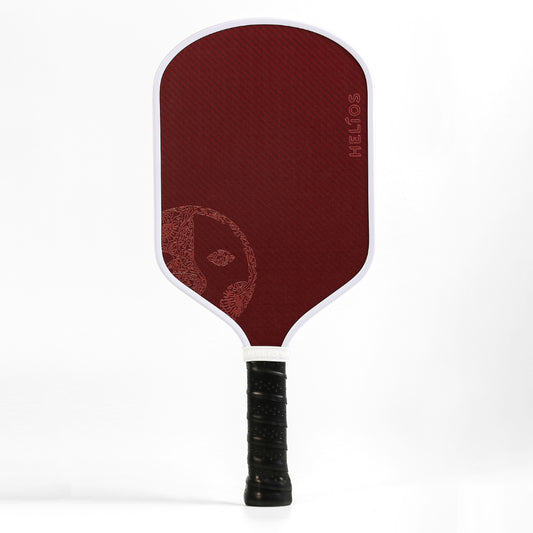
A paddle with a forgiving sweet spot makes baseline shots more consistent, especially on drops that demand touch. The Helios paddle offers a reactive 13mm core that balances control and pop for players still working toward the net.
[[product:the-helios-pickleball-paddles]]
The Transition Zone: The Danger Zone
The transition zone, often called no-man's land, sits between the baseline and the kitchen line. Moving through it quickly is the objective. Stopping in it is a recipe for trouble, because you are caught between two strategic positions with limited angles.
Smart Transition Zone Shot Choices
Every transition zone shot choice should focus on neutralizing your opponent's attack while you keep moving forward. Standing still here leaves you vulnerable to shots at your feet.
- Resets: a soft block that absorbs your opponent's pace and drops the ball into the kitchen.
- Dinks on the move: a controlled, low shot played while you continue advancing to the kitchen line.
- Counter drives: if an incoming ball sits up high, a firm counter aimed at your opponent's feet can shift momentum. A performance paddle with good vibration dampening helps absorb pace and redirect shots cleanly during fast exchanges.
The Kitchen Line: Where Points Are Won
The kitchen line is the green zone on your mental heatmap. Once you reach it, you have more angles, more options, and more control over the point. Most rallies are won or lost within a few feet of the net, which is why pickleball decision making at this position matters more than anywhere else.
Winning Shot Selection at the Net
Net play is about patience, placement, and reading your opponent's body language. Here are the shots that win from the kitchen.
- Dinks: soft, unattackable shots that keep the ball low and force errors.
- Speed-ups: a sudden acceleration aimed at your opponent's hip or paddle-side shoulder to create pop-up balls.
- Erne shots and around-the-post plays: advanced, high-reward shots that punish wide dinks. Paddles with gritty surfaces, like the Apollo with its Toray T700 carbon face, generate extra spin that makes dinks and speed-ups harder to read.
Putting the Zones Together
Court position strategy is not about memorizing a chart. Once you internalize which shots belong in each zone, your pickleball shot selection becomes instinctive. You stop trying hero shots from the baseline and start building points with disciplined positioning.
Drilling zone-specific shots with a consistent paddle accelerates the learning curve. The Selene is a strong choice for players who want quick hands at the net, while the Astraeus gives you extra reach and topspin on drives from the back court.
[[product:the-selene-pickleball-paddles]]
Final Thoughts
Smart shot selection by zone wins more points than raw power ever will. Let your court position guide your choices, and your game will tighten up faster than any stroke adjustment.
Ready to build your game from the ground up? Browse our paddle collection and find the setup that matches your strategy.
Frequently Asked Questions
Q. What is the best shot from the baseline in pickleball?
A third-shot drop is the most effective baseline shot for most players. Landing a soft drop into the kitchen gives you time to move forward and gain a stronger court position.
Q. What does shot selection by zone mean?
Shot selection by zone means choosing your shots based on where you are standing on the court rather than defaulting to your favorite shot. Each zone, baseline, transition, and kitchen, has specific high-percentage options.
Q. How do I improve my pickleball decision making?
Practice zone-specific drills and play points where you focus on one zone at a time. Recording your games and reviewing where you made low-percentage choices is another effective way to sharpen your decisions.
Q. Should I always rush to the kitchen line?
Getting to the kitchen is generally the strongest position, but rushing forward without a quality transition shot can leave you exposed. Move forward behind a good drop or reset rather than sprinting blindly.
Q. What is the transition zone in pickleball?
The transition zone is the area between the baseline and the non-volley zone line. Players pass through it while moving toward the net. Staying in the transition zone too long makes you vulnerable to shots aimed at your feet.
Q. Does paddle choice affect shot selection?
Paddle characteristics like core thickness, weight, and face material influence how well certain shots perform. A control-oriented paddle makes dinks and resets more reliable, while a power-focused paddle helps drives and put-aways.