Pickleball Ratings Explained: How to Find Your Rating and Understand the System?

You have been playing for a few months. Some wins, some losses. Then someone asks, "What's your rating?" and you realize you have no idea.
Pickleball ratings seem confusing at first glance. Multiple systems exist, the numbers differ between them, and nobody explains which one actually matters for your situation. The good news is that once you understand the basics, finding your rating takes just a few minutes.
What a Rating Actually Does for You?
A rating solves three problems you will run into as you play more.
- Finding balanced games: Playing against someone far above or below your level frustrates everyone. Ratings match you with the right opponents.
- Entering tournaments correctly: Most events require a rating for registration. Show up at the wrong skill bracket and you will either get overwhelmed or dominate unfairly.
- Tracking your progress: Watching your rating climb over time turns vague improvement goals into measurable milestones.
Hold On, Why Are There Two Different Systems?
Two primary rating systems exist in 2025. Each calculates your skill level differently, and understanding both will save you confusion when signing up for events.
DUPR (Dynamic Universal Pickleball Rating)
DUPR has become the global standard. It uses a 2.000 to 8.000 scale and rates every player, regardless of age or gender, on the same system. The algorithm factors in your opponent's strength, match scores, and how recently you played.
What makes DUPR different:
- Counts both tournament and recreational matches
- Free to create an account and use
- Used by PPA Tour, Major League Pickleball, and thousands of clubs worldwide
UTR-P (The Official USA Pickleball Rating)
UTR-P is the official rating of USA Pickleball. It operates on a 1.0 to 10.0 scale and replaced the older UTPR system. One key difference: UTR-P separates verified tournament results from self-reported recreational scores, which helps reduce sandbagging.
Note on the scale: UTR-P originally ran about one point higher than the old UTPR (a 3.0 UTPR player would be around 4.0 in UTR-P). In April 2025, UTR Sports adjusted all ratings down by 0.5 points to better align with traditional skill levels. If you had an old UTPR rating, expect your UTR-P to be roughly half a point higher now.
Okay, But What Do the Numbers Actually Mean?
Here is a quick breakdown using the traditional 2.0 to 5.0+ scale that most players recognize:
- 2.0 to 2.5: Learning the basics. Can hit forehands, backhands, and serves with some consistency. Understands rules and scoring.
- 3.0 to 3.5: Intermediate player. Can sustain rallies, place shots intentionally, and execute basic strategy like the third-shot drop.
- 4.0 to 4.5: Advanced player. Strong shot accuracy, consistent dinking, and solid court positioning. Competes in tournaments regularly.
- 5.0+: Expert or professional level. Exceptional control, power, and strategic execution under pressure.
Alright, How Do I Actually Get Rated?
You have three main options:
- Self-rate: Use USA Pickleball's skill assessment sheets to honestly evaluate your abilities. Fast and simple, though subjective.
- Create a DUPR account: Sign up for free, log your matches, and let the algorithm calculate your rating. The more matches you log, the more accurate it becomes.
- Play in sanctioned events: Enter USA Pickleball tournaments to earn an official UTR-P rating based on verified results.
For most recreational players, DUPR offers the easiest starting point. Create an account, play a few rated matches at your local club, and you will have a number within days.

Now That You Know Your Level, What's Next?
Finding your rating is step one. Improving it requires consistent practice and equipment that supports your development.
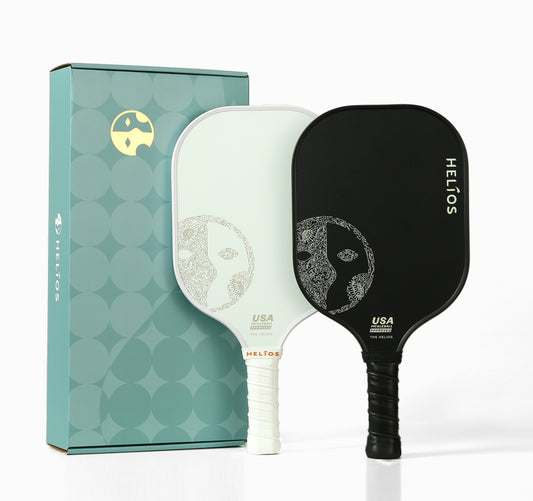
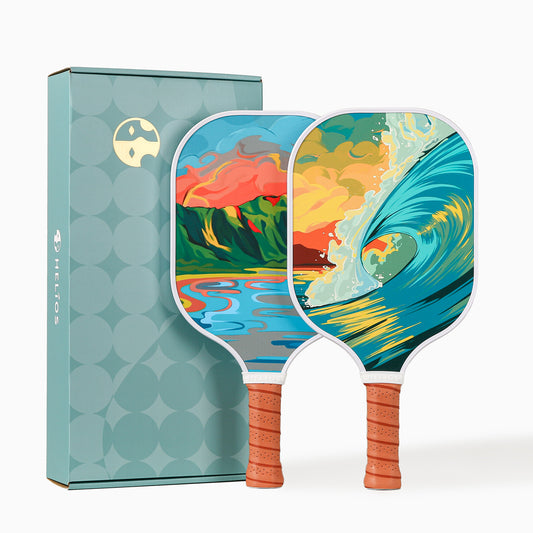
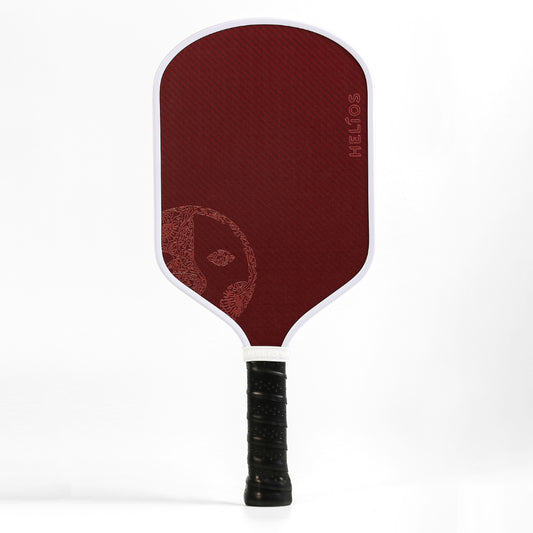
At Helios, we design paddles that help players build consistency and control at every skill level. Our Helios paddle offers the balance you need for precise dinks and controlled resets. Looking to add more firepower as you climb into advanced play? The Apollo delivers power without sacrificing touch. Just starting your journey? The Helios Beginner Paddle Set gives you everything you need to build a strong foundation.
Frequently Asked Questions
Q: Which rating system should I use?
DUPR works for most players because it counts recreational play and is widely accepted. If you plan to compete in USA Pickleball-sanctioned events, you will also need a UTR-P rating.
Q: Can my rating go down?
Yes. Both DUPR and UTR-P adjust based on match results. Losing to lower-rated players will lower your number.
Q: How many matches until my rating is accurate?
DUPR becomes more reliable after several logged matches. UTR-P considers a rating "reliable" after seven verified matches.
Q: Do I need both DUPR and UTR-P?
Not necessarily. If you only play recreational games and local leagues, DUPR is usually enough. If you want to compete in USA Pickleball or APP-sanctioned tournaments, you will need a UTR-P rating for those events.
Q: Can I enter a tournament without a rating?
Yes, most tournaments allow first-time players to self-rate. You will estimate your skill level based on USA Pickleball's guidelines, and your official rating will develop as you play more sanctioned matches.
Time to Get on the Court
Pickleball ratings do not have to be complicated. DUPR gives you a free, globally recognized number. UTR-P serves as the official USA Pickleball standard. Both help you find better games, enter appropriate events, and track your growth over time.
Get rated, set a goal, and start climbing. Your next level is waiting.