Pickleball Gear for Lateral Stability: Best Equipment to Prevent Injuries

Pickleball is a blast until something goes wrong with your ankles, knees, or feet. The sport demands constant lateral movement: shuffling side to side at the kitchen, lunging for wide returns, pivoting on sudden direction changes, and stopping hard after a sprint to the net. All of that lateral stress is what makes pickleball such a great workout, but it is also what puts your body at risk if your gear is not up to the task.
The right pickleball gear for lateral stability is not a luxury. It is a necessity. Ankle sprains account for a significant percentage of all pickleball injuries, and most of them happen during exactly the kind of side-to-side movement the sport requires. Wearing running shoes, using a paddle with a slippery grip, or skipping a warm-up turns manageable risk into a trip to the doctor. The good news? The right pickleball lateral stability equipment keeps you on the court, not on the sidelines. Here is what you need and why it matters.
Why Lateral Stability Is the Most Important Factor in Pickleball Safety
Pickleball is not a forward-and-backward sport. It is a side-to-side sport. The majority of your movement on the court is lateral: shuffling along the kitchen line, cutting to cover a cross-court dink, sliding to reach a wide volley. That lateral load puts tremendous stress on the ankles, knees, and the muscles and ligaments that stabilize them.
A UTHealth Houston study noted a significant increase in pickleball-related foot and ankle injuries in recent years, with most occurring among adults aged 50 and older. Ankle sprains, Achilles tendon injuries, and plantar fasciitis are the most common issues, and nearly all of them are tied to lateral movement patterns. The players who avoid these injuries are the ones who take their equipment seriously. Proper pickleball ankle support gear and stability shoes pickleball players rely on are the first line of defense against the sport's most common injury risks.
Essential Pickleball Gear for Lateral Stability
Lateral stability is not about one piece of equipment. It is about a system of gear working together to keep your body aligned, supported, and protected during fast movements. Here is the full list of what every player should consider.
Stability Shoes: The Foundation of Everything
Your shoes are the single most important piece of pickleball lateral stability equipment you will buy. Running shoes, cross-trainers, and casual sneakers are not designed for the multi-directional movement that pickleball demands. Running shoes in particular are built for forward motion and offer almost no lateral support, which dramatically increases your risk of rolling an ankle on a hard cut.
Stability shoes pickleball players need should have reinforced sidewalls that prevent the foot from sliding during lateral movements, a wide base that provides a stable platform for quick direction changes, a structured heel counter that locks the ankle in place and prevents rolling, a non-marking rubber outsole with a herringbone or multi-directional tread pattern for grip on court surfaces, and responsive midsole cushioning that absorbs impact without making the shoe feel heavy or sluggish. Court-specific shoes designed for pickleball or tennis are the right category. Look for models that specifically call out lateral support and stability as primary features. The investment is worth it. A good pair of court shoes can reduce your risk of ankle injury significantly compared to standard athletic footwear.
Ankle Support Gear: Extra Protection Where You Need It Most
For players with a history of ankle sprains or chronic instability, pickleball ankle support gear adds an extra layer of protection that shoes alone may not provide. Ankle braces and compression sleeves are the two most popular options.
Lace-up ankle braces offer the most rigid support. They limit excessive inward and outward rolling while still allowing the forward and backward movement you need to play. Semi-rigid braces with built-in stays provide a middle ground between maximum support and freedom of movement. Compression sleeves are lighter and less restrictive. They provide mild stabilization through consistent pressure around the joint, improve proprioception (your awareness of where your ankle is in space), and reduce swelling during and after play. They are a good option for players who want injury prevention without the bulkiness of a full brace.
If you have had a previous ankle injury, wearing pickleball ankle support gear is one of the simplest ways to avoid re-injury. Many orthopedic specialists recommend bracing for at least six to twelve months after an ankle sprain to prevent the chronic instability that repeat injuries can cause.
Paddle Grip: The Stability You Hold in Your Hands
Lateral stability is not just about your feet. It extends through your entire kinetic chain, including your hands. A paddle that slips in your grip during a fast volley exchange forces you to over-compensate with your wrist and forearm, which throws off your balance and puts strain on the entire arm. A secure, cushioned grip keeps the paddle stable in your hand, which keeps your body stable on the court.
At Helios, our Organic Overgrip is designed for exactly this purpose. It absorbs moisture, adds cushioning, and provides a tackier surface that keeps the paddle locked in your hand during the most intense rallies. For players who sweat heavily or play in humid conditions, replacing your overgrip regularly is one of the easiest ways to maintain control and prevent the kind of grip slippage that leads to awkward compensatory movements.
Paddle Weight and Balance: How Your Paddle Affects Stability
A paddle that is too heavy creates arm fatigue, which slows your reactions and compromises your balance during fast exchanges. A paddle that is too light can feel insubstantial and cause you to swing harder than necessary, throwing off your center of gravity. The ideal paddle for stability sits in the mid-weight range (roughly 7.5 to 8.3 ounces) and has a balanced weight distribution that keeps the paddle maneuverable without feeling head-heavy.
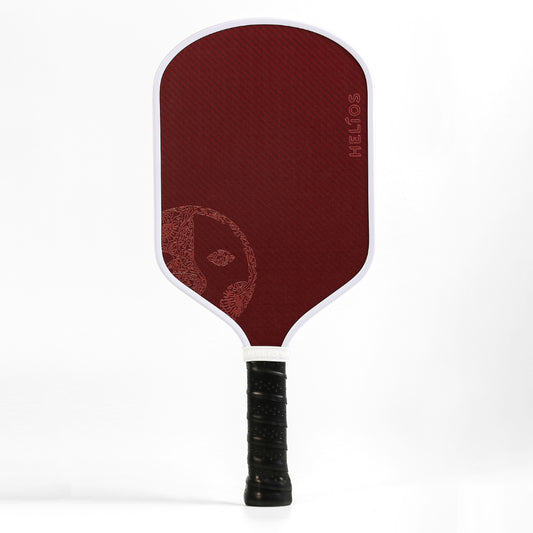
Our Energy Series paddles are handcrafted for exactly this balance. The Helios delivers a centered feel that rewards controlled, balanced play. The Selene is built for finesse players who value touch and placement, keeping movements efficient and compact. And The Astraeus offers all-court versatility without the kind of swing weight that pulls you off balance. When your paddle works with your body instead of against it, every movement on the court feels more controlled.
Warm-Up and Recovery Gear: Preparing Your Body for Lateral Demands
Gear alone cannot prevent injuries if your body is not prepared for the demands of the sport. Resistance bands for dynamic warm-up exercises (lateral band walks, monster walks, ankle circles) activate the muscles that stabilize your ankles and knees before you step on the court. A foam roller or massage ball after play helps release tension in the calves, IT band, and hip stabilizers that absorb lateral stress during rallies.
The warm-up does not need to be long. Five to ten minutes of light cardio, dynamic stretching, and lateral activation drills can significantly reduce your injury risk for the entire session. Players who skip the warm-up and go straight into full-speed play are the ones most likely to suffer ankle sprains and muscle strains.
Common Gear Mistakes That Increase Injury Risk
Knowing what to wear is half the battle. Knowing what to avoid is the other half. Here are the most common gear mistakes that compromise lateral stability on the pickleball court.
Wearing running shoes. Running shoes are the number one gear-related cause of ankle injuries in pickleball. They are designed for forward motion and have almost no lateral support. The cushioning is too soft and too high off the ground for the quick direction changes pickleball requires. Court-specific shoes are non-negotiable.
Playing with a worn-out grip. A slick, compressed overgrip forces you to squeeze the paddle harder, which increases forearm tension and throws off your shot mechanics. Replace your overgrip regularly, especially if you play multiple times per week.
Ignoring shoe wear. Even the best stability shoes pickleball players buy will lose their traction and support over time. Most court shoes last three to six months of regular play before the outsole tread wears down and the midsole cushioning compresses. Playing in worn-out shoes is almost as risky as playing in the wrong shoes.
Skipping the warm-up. Cold muscles and stiff joints cannot absorb the lateral forces pickleball demands. A quick dynamic warm-up activates the stabilizer muscles that protect your ankles and knees during play. Five minutes of preparation can prevent weeks of recovery.
Building Your Lateral Stability Kit
Putting it all together, here is what a complete pickleball lateral stability equipment kit looks like for a player who takes injury prevention seriously.
Court-specific stability shoes with reinforced sidewalls, structured heel counter, wide base, and multi-directional tread. Replace every three to six months depending on play frequency.
Ankle support in the form of a lace-up brace (for players with previous injuries) or a compression sleeve (for general prevention and proprioceptive feedback).
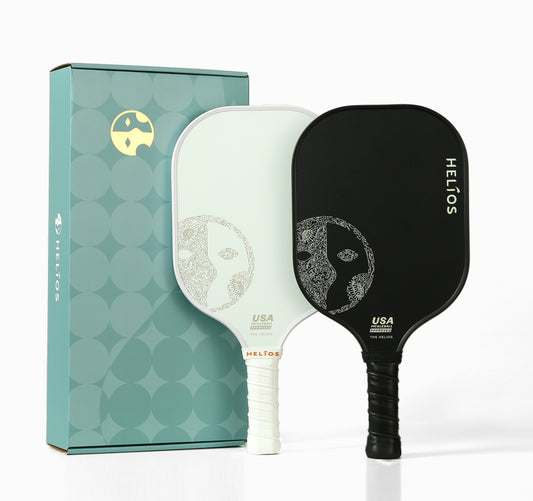
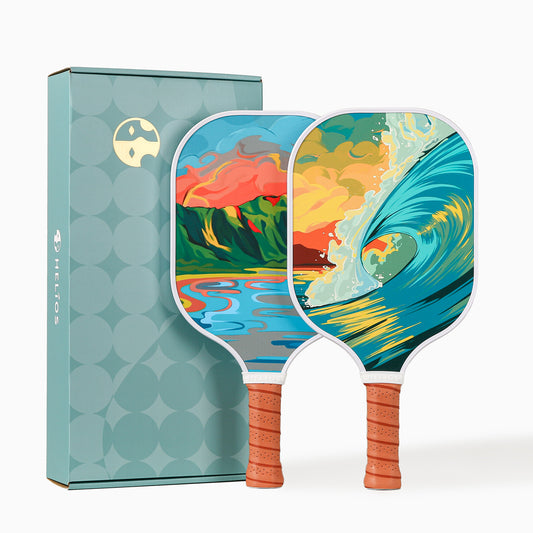
A performance paddle with balanced weight distribution. Our Helios Beginner Set or any paddle from the Energy Series delivers the balance and control that supports stable, efficient movement on the court.
A fresh overgrip. Our Organic Overgrip keeps the paddle secure in your hand and reduces the compensatory tension that builds in your forearm and wrist when grip confidence drops.
Warm-up tools including a resistance band set for lateral activation drills and a foam roller for post-play recovery.
A gear bag that keeps everything organized and protected. Our On The Court Tote Bag is spacious enough for shoes, paddles, grips, braces, and accessories.
Frequently Asked Questions
What is the most important piece of pickleball gear for lateral stability?
Court-specific stability shoes are the single most important investment. They provide the reinforced sidewalls, wide base, and structured heel support that prevent ankle rolling during the lateral movements pickleball demands. Running shoes and casual sneakers do not offer this protection.
Do I need ankle braces for pickleball?
If you have had a previous ankle sprain or experience chronic instability, pickleball ankle support gear like a lace-up brace or compression sleeve is strongly recommended. For players with no injury history, a quality court shoe with built-in lateral support may be sufficient.
How often should I replace my pickleball shoes?
Most court shoes last three to six months of regular play. Signs that replacement is needed include visible tread wear on the outsole, compressed midsole cushioning that no longer bounces back, and reduced lateral support during movements. Playing in worn-out shoes significantly increases injury risk.
Can my paddle choice affect my stability on the court?
Yes. A paddle that is too heavy causes arm fatigue and slower reactions. A paddle with a slippery grip forces you to over-grip, creating forearm tension. Mid-weight paddles with balanced weight distribution, like those in the Helios Energy Series, support stable, efficient movement throughout extended play.
What warm-up exercises help with lateral stability in pickleball?
Lateral band walks, monster walks, ankle circles, calf raises, and dynamic hip openers all activate the stabilizer muscles that protect your joints during play. Five to ten minutes of these exercises before each session can significantly reduce your risk of ankle and knee injuries.