Best Pickleball Gear for Lateral Stability and Injury Prevention
Pickleball is a lateral sport. Most of your movement on court is side to side: shuffling along the kitchen line, cutting for a cross-court dink, pivoting on a sudden direction change. That lateral load is what makes pickleball a strong workout. It is also what sends players to the doctor when their gear is not up to the task.
A cross-sectional study published in PMC tracked 198 pickleball-related foot and ankle injuries and found that the annual incidence rose 6.5-fold from 2019 to 2023. The mean age at injury was 58.3 years, and the most common diagnoses were Achilles tendon rupture (39.4%), gastrocnemius injury (16%), and Achilles tendinopathy (12.1%). The right pickleball gear for lateral stability reduces that risk without slowing you down.
Why Lateral Movement Causes Most Pickleball Injuries

Pickleball is not a straight-line sport. According to UTHealth Houston foot and ankle surgeon Dr. John Z. Zhao, pickleball involves "sudden, high-impact movements that can lead to lower extremity injuries if players are not careful." Ankle sprains, Achilles issues, and plantar fasciitis top the list, and nearly all of them are tied to lateral movement patterns on hard court surfaces.
Preliminary research suggests that up to 30% of all reported pickleball injuries involve the ankle, with Achilles-related issues representing a large portion due to repetitive strain. Players wearing the wrong shoes or skipping warm-ups face the highest risk. The right pickleball injury prevention gear equipment starts from the ground up.
Court Shoes Are the Single Most Important Piece of Gear
The best shoes for lateral movement pickleball are court-specific shoes, not running shoes. Cleveland Clinic recommends court shoes for pickleball because they "support your ankles and feet as you turn and pivot," while running shoes are "good for forward motion but not complex movements on the pickleball court."
Here is what to look for in a stability shoe:
| Feature | Why It Matters |
|---|---|
| Reinforced sidewalls | Prevent foot from sliding during lateral cuts |
| Wide, flat base | Stable platform for quick direction changes |
| Structured heel counter | Locks the ankle and prevents rolling |
| Herringbone tread pattern | Grip on indoor and outdoor court surfaces |
| Responsive midsole cushioning | Absorbs impact without adding weight |
Shoe Brands Worth Trying
ASICS Gel-Renma, K-Swiss Express Light, and Skechers Viper Court are popular picks among pickleball players. All three feature lateral reinforcement and non-marking soles designed for court sports. Expect to spend $60 to $130 for a quality pair. Replace them every 6 to 12 months with regular play, or sooner if the outsole tread wears flat.
Ankle Support Pickleball Players Should Consider
For players with a history of sprains or chronic ankle instability, shoes alone may not be enough. Ankle support pickleball braces add an extra layer of protection during the lateral movements that cause most injuries. UTHealth Houston recommends proper conditioning and support gear as part of a prevention strategy, alongside warm-ups and court-appropriate footwear.
Lace-Up Braces
The most rigid option. Lace-up braces limit excessive inward and outward ankle rolling while still allowing forward and backward movement. Best for players returning from a recent sprain or those with recurring instability. Popular models include the ASO Ankle Stabilizer and McDavid Ankle Brace.
Compression Sleeves
Lighter and less restrictive. Compression sleeves provide mild stabilization through consistent pressure, improve proprioception (your sense of where your ankle is in space), and reduce swelling during and after play. A good option for players who want injury prevention without bulk.
Many orthopedic specialists recommend bracing for 6 to 12 months after an ankle sprain to prevent the chronic instability that repeat injuries can cause.
Your Paddle Grip Affects Stability Too

Lateral stability is not only about your feet. A paddle that slips during a fast volley exchange forces your wrist and forearm to compensate, which throws off your balance and adds strain to your arm. A secure, cushioned grip keeps the paddle stable in your hand, which keeps your body stable on the court.
The Helios Organic Overgrip absorbs moisture, adds cushioning, and provides a tackier surface that locks the paddle in your hand during intense rallies. Replace your overgrip every 2 to 4 weeks with regular play. Players who sweat heavily or play in humid conditions should swap more often. Fresh overgrips and replacement accessories are a small investment that directly reduces grip-related instability.
Paddle Weight and Balance Matter for Injury Prevention
What gear helps reduce injury risk in pickleball beyond shoes and braces? Your paddle's weight. A paddle that is too heavy creates arm fatigue, which slows your reactions and compromises balance during fast exchanges. A paddle that is too light can feel unstable on contact, leading to over-swinging.
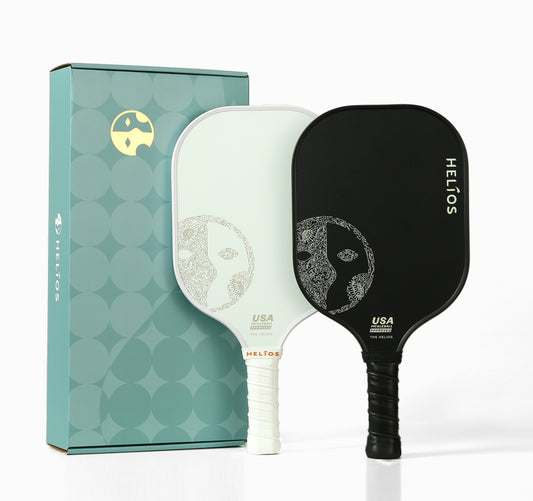
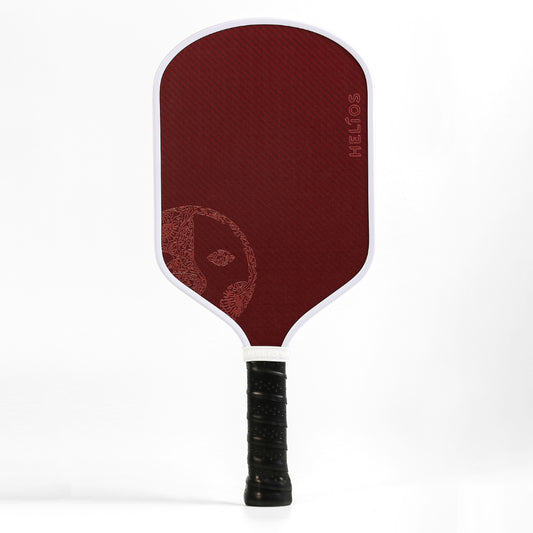
For most players, 7.3 to 8.0 oz is the ideal range. Performance paddles with carbon fiber faces and reactive honeycomb cores tend to sit in this window. Recreational paddles with fiberglass faces offer a lighter, more forgiving option for players who prioritize control over power.
Players managing tennis elbow, wrist strain, or shoulder fatigue should consider a lighter paddle (7.0 to 7.5 oz) with vibration-dampening properties. Kevlar-faced paddles are the quietest on contact and transmit the least vibration to the arm.
A Quick Gear Checklist Before You Hit the Court
Pack everything in a court tote or backpack so nothing gets left behind:
- Court shoes with lateral support (not running shoes)
- Ankle brace or compression sleeve (if you have a history of sprains)
- A fresh overgrip for secure paddle grip
- A USAPA-approved paddle in the 7.3 to 8.0 oz range
- Water bottle (minimum 32 oz for a 60-minute session)
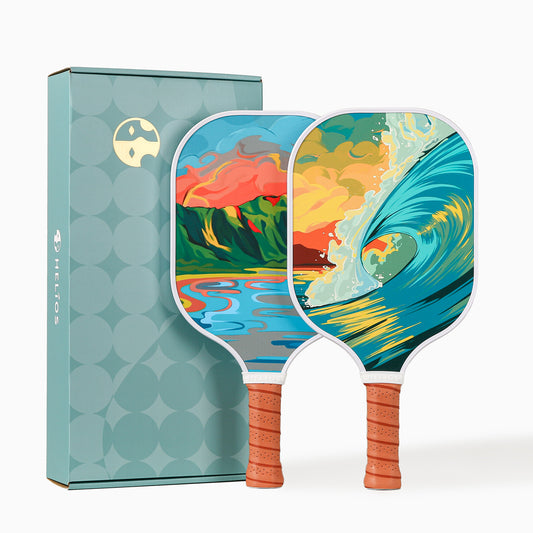
- A paddle set if you are bringing a partner
Stay on the Court, Not the Sidelines
The right pickleball gear for lateral stability is not about buying the most expensive equipment. It is about matching your gear to the demands of the sport. Court shoes with lateral reinforcement. Ankle support if you need it. A grip that does not slip. A paddle that does not fatigue your arm. These are the pieces that keep you playing week after week.
Browse the Helios collection for paddles, overgrips, and accessories built for the kind of movement pickleball actually demands.
Frequently Asked Questions
What is the most important gear for preventing pickleball injuries?
Court shoes with lateral support. Cleveland Clinic specifically recommends court shoes over running shoes for pickleball because they support your ankles during turns and pivots. Running shoes are built for forward motion and offer almost no side-to-side stability.
Do I need an ankle brace for pickleball?
If you have a history of ankle sprains or chronic instability, yes. Lace-up braces offer the most support. Compression sleeves provide lighter stabilization with less bulk. Many orthopedic specialists recommend bracing for 6 to 12 months after a sprain.
What shoes are best for lateral movement in pickleball?
Court-specific shoes from ASICS (Gel-Renma), K-Swiss (Express Light), or Skechers (Viper Court). Look for reinforced sidewalls, a wide flat base, herringbone tread, and a structured heel counter. Expect to pay $60 to $130.
How does paddle weight affect injury risk?
A paddle that is too heavy (over 8.3 oz) causes arm fatigue, which slows reactions and compromises balance. Stay in the 7.3 to 8.0 oz range for most players. Those managing tennis elbow or shoulder strain should go lighter (7.0 to 7.5 oz).
Why are running shoes bad for pickleball?
Running shoes are designed for forward motion. They have a narrow base and soft lateral sidewalls that offer no resistance when your foot pushes sideways during a lateral cut. This dramatically increases your risk of rolling an ankle on a hard direction change.
What is the most common pickleball injury?
According to a PMC epidemiology study, the most common foot and ankle diagnoses in pickleball are Achilles tendon rupture (39.4%), gastrocnemius injury (16%), and Achilles tendinopathy (12.1%). Ankle sprains are also among the most frequent, driven by lateral movement on hard court surfaces.