Pickleball for Seniors: Benefits, Modifications, and Community Support
The morning sun filters through the court fence as Margaret, 72, serves her first ace of the day. Around her, a dozen other players in their 60s, 70s, and even 80s engage in spirited rallies, laughter punctuating the rhythmic pop-pop-pop of paddles meeting balls. Welcome to the fastest-growing segment of America's fastest-growing sport: pickleball for seniors.
What started as a backyard game in 1965 has evolved into a phenomenon particularly embraced by older adults. With over 60% of core players aged 55 and above, pickleball for older adults isn't just a trend—a movement reshapes how we think about aging, fitness, and community.
Bill Gates regularly promotes the sport as his favorite way to stay active, while Ellen DeGeneres features pickleball for active aging segments on her show, highlighting matches between celebrities and seniors that prove age is just a number. The sport's unique combination of accessibility, social interaction, and genuine fun has created a perfect storm of engagement for seniors seeking active, connected lifestyles.
Health Benefits for Seniors: More Than Just Exercise
Low-Impact Exercise That Loves Your Joints
The genius of pickleball for seniors lies in its joint-friendly nature, making it ideal as one of the best low-impact sports for seniors. Unlike tennis with its larger court and overhead serves, or running with its repetitive pounding, pickleball offers cardiovascular benefits without the wear and tear. The underhand serve eliminates shoulder strain. The smaller court (44 by 20 feet) reduces the distance you need to cover. The lightweight paddle and plastic ball with holes create less impact on contact.
For those managing arthritis or recovering from joint replacements, benefits of pickleball seniors include maintaining mobility without aggravating existing conditions. The sport's pickleball arthritis friendly design allows players with various joint issues to participate comfortably. Physical therapists increasingly recommend pickleball as an ideal transition sport for patients returning to activity after injury or surgery.
NBC's Today Show featured a segment showing how seniors with hip replacements were returning to active lifestyles through pickleball, with orthopedic surgeons praising the sport's low-impact nature.
The stop-and-start nature of pickleball allows natural rest periods, preventing the overexertion that sidelines many seniors from other activities. Studies published in the Journal of Aging and Physical Activity show that pickleball senior health benefits include reduced joint stress compared to tennis while providing similar cardiovascular advantages. The controlled movements and shorter distances mean less wear on knees, hips, and ankles—crucial for maintaining long-term mobility.
Cardiovascular & Muscle Strength: The Dynamic Duo
Pickleball senior health benefits extend far beyond joint protection. A typical one-hour session burns 250-350 calories while elevating heart rate into the moderate-intensity zone—exactly what cardiologists recommend for heart health. The varied movements—lunging, reaching, quick steps—engage multiple muscle groups simultaneously, building functional strength that translates to daily activities.
Research from the National Institutes of Health shows regular pickleball play improves VO2 max (oxygen uptake) by 12% in seniors over six months. Muscle mass, which naturally decreases with age (sarcopenia affects 45% of adults over 60), gets a significant boost from the sport's resistance elements. Swinging the paddle, maintaining ready position, and moving laterally all contribute to maintaining lean muscle tissue crucial for metabolic health and independence.
AARP Magazine's comprehensive study on pickleball for active aging revealed that seniors playing three times weekly showed:
- 18% improvement in upper body strength
- 22% increase in core stability
- 15% better lower body power
- 20% enhanced grip strength (crucial for preventing falls)
The sport's interval nature—bursts of activity followed by brief rests—mimics high-intensity interval training (HIIT) principles proven effective for cardiovascular health in older adults. Unlike steady-state cardio that can become monotonous, pickleball's dynamic play keeps hearts pumping while minds stay engaged.
Balance, Flexibility & Fall Prevention: Your Secret Weapons
Falls represent a major health risk for older adults, with one in four Americans aged 65+ falling each year, resulting in over 3 million emergency room visits. Pickleball fall prevention benefits directly address this risk through dynamic balance training. Every shot requires weight transfer, every volley demands quick adjustments, and every point enhances proprioception—your body's awareness of its position in space.
The sport's varied movements naturally improve flexibility. Reaching for wide shots stretches hip flexors. Low dinks work the legs and back. Overhead smashes (when attempted safely) maintain shoulder mobility. Studies from the International Journal of Exercise Science show seniors who play pickleball three times weekly demonstrate:
- 23% better balance scores on standard assessments
- 31% improved flexibility in major muscle groups
- 28% faster reaction times
- 35% better agility test results
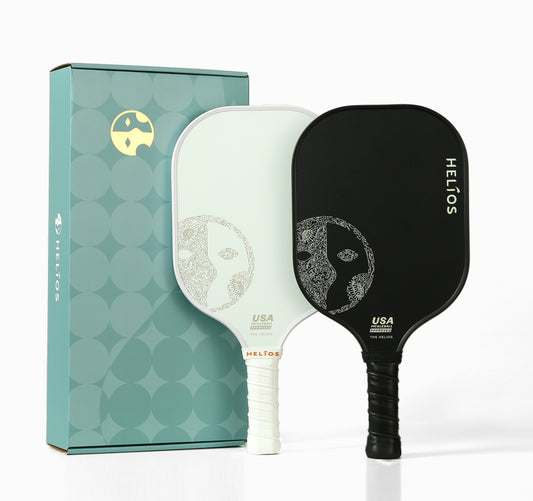
CBS Sunday Morning featured a segment on pickleball fall prevention, showcasing an 82-year-old player who credited the sport with preventing a serious fall when she tripped while gardening. Her improved balance and quick reactions, developed through pickleball, allowed her to catch herself safely. The Helios Selene, weighing just 7.8 ounces, helps seniors maintain control during quick movements without straining wrists or shoulders, making it ideal for balance-focused play.
Dynamic balance training through pickleball proves more effective than static exercises because it mimics real-world movements. Players practice recovering from off-balance positions, adjusting to unexpected ball trajectories, and maintaining stability while reaching—all skills that transfer directly to fall prevention in daily life.
Cognitive & Mental Gains: Sharpening the Mind
Pickleball cognitive benefits seniors experience rival the physical improvements. The sport demands split-second decisions, strategic thinking, and constant adaptation—a cognitive workout disguised as fun. Tracking the ball engages visual processing, anticipating opponents' moves activates predictive thinking, and remembering score exercises working memory.
Neuroscientists studying benefits of pickleball seniors note that activities combining physical movement with mental challenge create optimal conditions for neuroplasticity—the brain's ability to form new connections. Research published in the Journal of Alzheimer's Disease found that seniors engaging in racquet sports showed:
- 47% lower risk of dementia compared to sedentary peers
- Improved executive function scores
- Better processing speed
- Enhanced problem-solving abilities
The social element adds another cognitive layer. Conversation and camaraderie during play stimulate areas associated with language and emotional processing. Regular players report improved reaction times, better focus in daily tasks, and enhanced problem-solving abilities. Leonardo DiCaprio, spotted playing with seniors at a California court, noted how impressed he was with the strategic thinking displayed by players in their 80s.
The New York Times featured a story about a pickleball for retirees group where members noticed significant improvements in mental acuity. One 78-year-old former engineer said pickleball helped him maintain the quick thinking he needed for consulting work, crediting the sport's demands for constant calculation and adjustment.
Why Pickleball Is Ideal for Retirees
Pickleball is one of the few competitive sports accessible to adults in their 60s, 70s, and beyond combining low-impact movement with genuine athletic challenge. Unlike walking or yoga, pickleball offers the competitive element that many retirees miss after leaving professional life, helping players build a new identity on the court and a measurable sense of progress.
The smaller court reduces the distance required to cover compared to tennis, making it physically manageable without sacrificing intensity. Short lateral bursts, quick reflexes, and strategic dinking keep heart rates at a moderate intensity enough to improve cardiovascular endurance without overexertion. Research has shown regular play is associated with lower depression scores among older adults and improved life satisfaction.
For retirees looking to expand their social circle, pickleball's doubles format naturally creates conversation and camaraderie. Many players in their 70s and 80s play four or more sessions per week. Starting at a community center or recreation facility open-play session requires no prior experience just a lightweight paddle and supportive court shoes.
Modifications for Senior Play: Adapting for Success
Equipment Modifications: Lighter, Softer, Smarter
Pickleball modifications for seniors start with equipment choices specifically designed as senior-friendly pickleball paddles. Standard paddles weighing 8-8.5 ounces can strain aging wrists and elbows during extended play. Lighter options around 7-7.8 ounces reduce fatigue while maintaining control. The Helios Gaia offers an ideal balance—its reactive honeycomb core provides power without requiring forceful swings, while the anti-slip grip prevents the paddle from twisting during off-center hits.
Pickleball equipment for seniors considerations include:
- Paddle weight: 7.0-7.8 ounces optimal for most seniors
- Grip size: Larger grips (4.5-4.75 inches) reduce hand strain
- Surface material: Softer surfaces reduce vibration transmission
- Handle length: Longer handles allow two-handed backhands
Ball selection for adaptive pickleball seniors matters significantly. Outdoor balls are harder and faster, potentially intimidating for beginners or those with slower reflexes. Indoor balls, being softer with larger holes, move more slowly and bounce more predictably. Many senior groups use indoor balls outdoors for a gentler game. Some manufacturers now produce "quiet" balls specifically for senior communities where noise concerns exist—a development featured in AARP Magazine's guide to senior-friendly equipment.
The rise of specialized pickleball equipment for seniors reflects the sport's commitment to accessibility. Companies now offer paddles with enhanced vibration dampening, larger sweet spots for mis-hits, and ergonomic grips designed for arthritic hands. The Helios Khione features a reinforced fiberglass surface that provides excellent "pop" without requiring excessive swing speed, perfect for seniors maintaining arm strength.
Court & Rule Modifications: Making the Game Accessible
Adaptive pickleball seniors often benefit from court modifications that maintain competitive play while reducing physical demands. Some groups use tennis court lines for doubles, creating more space and reducing rapid direction changes. Others place cones to create "no-volley zones" extending further from the net, minimizing aggressive net play that can lead to collisions.
Popular rule modifications for pickleball modifications for seniors include:
- Double bounce rule extension: Requiring two bounces per side before volleys prevents aggressive net rushing and gives players more time to position themselves properly.
- Underhand serves only: Eliminates the stress of overhead motions while maintaining fair play. Some groups further modify by allowing bounce serves for players with shoulder limitations.
- Rally scoring: Every point counts regardless of who serves, keeping games moving and preventing fatigue from extended deuce situations. Games often play to 7 or 9 instead of 11.
- Time limits: 15-minute games ensure players don't overexert, with winners determined by score at time expiration.
- Zone play: Designating specific court areas for certain players reduces movement requirements while maintaining strategic elements.
Footwear deserves special attention in pickleball safety tips for seniors. Court shoes with good lateral support prevent ankle rolls—a common injury among older players. Non-marking soles are essential for indoor play. Some seniors add orthotic inserts for extra arch support. The key is finding shoes that provide stability without being too heavy or rigid. Many podiatrists now specialize in recommending footwear specifically for senior pickleball players.
Coaching Tips for Senior Success
Effective coaching for pickleball clinics for seniors emphasizes technique over power. The Helios Beginner Pickleball Paddle Set helps seniors focus on form rather than forcing shots, with paddles designed for control and consistency.
Movement patterns for seniors: Teach shuffle steps rather than crossover steps to maintain balance. Emphasize moving through the ball rather than reaching, reducing strain and improving accuracy. The "ready position" should be slightly higher than for younger players, reducing stress on knees and back.
Technique adaptations:
- Compact swings generate surprising power when timed correctly
- The "punch" volley uses minimal backswing, reducing shoulder stress
- Drop shots and dinks—the "soft game"—level the playing field against younger opponents
- Two-handed backhands distribute force across both arms
Safety gear considerations: Beyond standard equipment, consider protective eyewear designed for racquet sports. Light elbow or knee braces provide support without restricting movement. Compression sleeves can reduce muscle fatigue and improve circulation during play. Some seniors use fingerless gloves for better grip without sacrificing feel.
The National Senior Games, which now features pickleball as a premier event, has developed coaching certification specifically for instructors working with older adults. Coaches learn to recognize physical limitations, modify techniques appropriately, and create inclusive environments where seniors feel comfortable progressing at their own pace.
Choosing a Pickleball Paddle as a Senior Player
The right paddle makes a measurable difference in how long seniors can play and how quickly they recover. Three specifications matter most:
Weight: Target 7.3–7.8 oz. Paddles in this range reduce cumulative arm fatigue across a two-hour session without sacrificing control. Avoid paddles above 8.5 oz the additional power is rarely worth the increased shoulder and elbow strain.
Core thickness: A 16mm polypropylene honeycomb core absorbs vibration on contact and produces a larger sweet spot particularly important when reaction time is slightly slower.
Grip size: 4.125–4.5 inches suits most seniors. An oversized grip forces a tighter forearm grip and is one of the most common contributors to pickleball elbow in players over 55. If your grip feels too small, add a cushioned overgrip rather than sizing up.
Widebody paddle shapes provide a larger hitting surface with more forgiveness on off-center contact, making them well suited to players still developing consistent technique.
Community Support & Social Connection: The Heart of Senior Pickleball
Built-in Social Environment: Where Friendships Flourish
The magic of senior pickleball community support starts with the game's structure. Pickleball doubles for seniors means you're never alone—you have a partner sharing victories and defeats. The rotation system in open play ensures you meet new people constantly. Between games, players naturally gather to chat, creating organic social opportunities that combat the isolation many seniors face.
Unlike individual exercises like walking or swimming, pickleball requires interaction. You must communicate with your partner, acknowledge good shots from opponents, and engage in the friendly banter that defines the sport's culture. For seniors who've lost spouses or retired from social work environments, the pickleball seniors social benefits become lifelines.
Pickleball leagues for seniors create regular social structures. The Wednesday morning group becomes as important as the Sunday family dinner. Players develop nicknames, inside jokes, and genuine friendships that extend beyond the court. Birthday celebrations, potluck dinners, and group outings become natural extensions of court relationships.
The phenomenon has caught media attention. The Today Show featured a segment on pickleball intergenerational play, showing grandparents teaching grandchildren while building stronger family bonds. Facebook groups dedicated to senior pickleball have exploded, with some boasting over 50,000 members sharing tips, organizing meetups, and celebrating achievements.
Mental Health Benefits: Beyond Physical Wellness
Pickleball and mental health seniors research reveals profound psychological benefits. Regular play provides structure to weeks, giving players something to anticipate. The sense of belonging to a pickleball community reduces depression and anxiety rates. Studies published in the Gerontologist journal show seniors engaged in regular group activities report:
- 40% higher life satisfaction scores
- 35% lower rates of depression
- 45% better sleep quality
- 50% stronger sense of purpose
The sport's learning curve offers another mental health boost. Mastering new skills at any age enhances self-esteem, but for seniors often told they're "past their prime," improving at pickleball proves otherwise. Every successful shot reinforces capability. Every game won builds confidence that extends beyond the court.
Pickleball for retirees addresses the loss of identity many experience after leaving careers. Players develop new identities as "the one with the wicked serve" or "the dinking specialist." Achievement in pickleball provides the goal-oriented satisfaction many miss from work life. One retired CEO told CBS Sunday Morning that pickleball tournaments gave him the competitive outlet he'd missed since retiring.
Social accountability helps maintain consistency. When you know friends expect you at Tuesday's game, you're more likely to show up even on days when motivation wanes. The pickleball seniors' social benefits create positive peer pressure that keeps seniors active and engaged.
Tournaments, Clinics, and Travel: Expanding Horizons
Pickleball senior tournaments have exploded in popularity. Age-bracketed competitions ensure fair play—you're competing against peers, not twenty-somethings. Many tournaments feature 70+, 75+, and even 80+ divisions. The National Senior Games includes pickleball as a medal sport, offering championship opportunities for dedicated players. In 2024, over 5,000 seniors competed in regional qualifiers, with the finals broadcast on ESPN3.
Pickleball clinics for seniors address unique needs and concerns. Instructors familiar with aging bodies modify drills appropriately. Topics like "Preventing Pickleball Injuries After 65" or "Strategies for Players with Replaced Joints" provide targeted education. The Helios Apollo often appears at these clinics as an example of advanced equipment that can enhance play without requiring excessive force—its thermoformed construction and Toray T700 carbon fiber provide professional-level performance with less effort.
Pickleball travel for seniors has become a booming niche. Pickleball cruises, resort camps, and destination tournaments combine play with exploration. Groups of senior players organize trips together, strengthening friendships while seeing new places. Royal Caribbean now offers pickleball-themed cruises specifically marketed to active seniors, complete with professional instruction and tournaments at sea.
Local senior pickleball community support extends through various programs:
- "Adopt a Senior" programs pair experienced players with newcomers
- Equipment lending libraries ensure cost doesn't barrier entry
- Transportation cooperatives help seniors without cars reach courts
- Intergenerational tournaments bring families together
The rise of pickleball intergenerational play deserves special mention. Grandparent-grandchild tournaments have become popular, with modified rules ensuring fair play across age gaps. The shared activity strengthens family bonds while keeping multiple generations active. TikTok videos of 80-year-olds defeating their teenage grandchildren have gone viral, inspiring more families to play together.
Practical Tips to Get Started: Your Journey Begins
Starting Slow: The Sustainable Approach
Beginning pickleball for seniors requires patience with yourself and realistic expectations. Start with one weekly session, allowing your body to adapt gradually. Proper warm-up becomes non-negotiable with age—spend 10-15 minutes doing dynamic stretches, arm circles, and light movement before playing. The pickleball safety tips for seniors emphasize preparation over intensity.
A proper warm-up sequence includes:
- 5 minutes of walking or marching in place
- Arm circles and shoulder rolls (forward and backward)
- Gentle torso twists while holding the paddle
- Leg swings (hold fence for balance)
- Practice swings at increasing speeds
- Light rallying before competitive play
Cool-down stretches prevent next-day stiffness. Focus on hamstrings, calves, shoulders, and back. Hold stretches for 20-30 seconds without bouncing. Many senior groups end sessions with group stretching, making it social and ensuring everyone participates.
Hydration needs increase with age as our thirst mechanism becomes less reliable. Drink water before feeling thirsty. Bring a water bottle courtside and sip between games. In hot weather, consider electrolyte supplements to replace minerals lost through sweat. Many seniors prefer coconut water as a natural alternative to sports drinks. Set phone reminders if necessary—dehydration significantly impacts performance and injury risk.
Listen to your body's signals without judgment. That twinge in your knee? Take a break. Feeling unusually tired? Maybe play doubles instead of singles, or just practice serves. The beauty of adaptive pickleball seniors play lies in its flexibility—you can modify involvement based on daily energy levels. The Helios Selene Swift Pickleball Paddle Set provides options for different energy days, with lightweight paddles that reduce strain during longer sessions.
Gear Selection & Court Access
Choosing pickleball equipment for seniors starts with the paddle. Weight matters most—every ounce counts during a two-hour session. The Helios Selene at 7.8 ounces reduces arm fatigue while its elongated shape provides extra reach, meaning less running for wide shots. Grip size affects comfort; too small strains the hand, too large reduces control. Many seniors add overgrips for cushioning and to increase circumference slightly.
Consider these factors when selecting senior-friendly pickleball paddles:
- Sweet spot size: Larger sweet spots forgive off-center hits
- Vibration dampening: Reduces stress on joints
- Grip material: Cushioned, moisture-wicking materials prevent slipping
- Edge guard: Protects paddle and prevents court damage if dropped
Finding courts has never been easier. The USA Pickleball website lists locations nationwide, with filters for senior-friendly facilities. Many community centers offer senior-specific hours with modified rules and patient atmospheres. YMCAs often include pickleball in senior memberships. Some retirement communities are building courts to meet resident demand—The Villages in Florida now has over 200 courts!
Indoor venues provide climate-controlled environments—crucial for seniors sensitive to heat or cold. The consistent playing surface reduces trip hazards compared to outdoor courts with cracks or debris. Many facilities offer equipment lending programs, letting you try different paddles before purchasing. Some even provide free lessons specifically for seniors new to the sport.
Pickleball clinics for seniors often provide equipment for beginners. Trying various paddles helps identify preferences before investing. The Helios Toray Performance Pickleball Paddle Set offers professional-grade options for seniors ready to upgrade, with paddles designed for different playing styles and physical capabilities.
Building Your Pickleball Community
Joining established groups accelerates your senior pickleball community support network. Look for "senior pickleball" or "55+ pickleball" groups on Facebook for your area. Groups share court times, organize social events, and welcome newcomers warmly. Meetup.com lists numerous senior pickleball gatherings in most metropolitan areas.
Don't hesitate to mention you're new. The pickleball community prides itself on inclusivity, and experienced players often enjoy mentoring beginners. Many groups assign "ambassadors" to help newcomers understand rules, find appropriate-level games, and feel welcomed. The buddy system works—having someone to meet for games increases adherence and enjoyment.
Consider starting your own group if none exist locally. Post flyers at senior centers, libraries, and community boards. Start small—even four people can enjoy doubles. As word spreads, your group will grow. Many successful senior pickleball communities started with retirees looking for morning exercise partners and evolved into 100+ member organizations.
Create structure to maintain momentum:
- Set regular playing times (same days/times weekly)
- Establish skill-based playing sessions
- Organize monthly social gatherings off-court
- Create communication channels (email lists, Facebook groups)
- Celebrate milestones and achievements
The social bonds formed through regular play often extend beyond the court, creating lasting friendships that enrich retirement years. Many players report that their "pickleball friends" become their closest social circle.
Advanced Considerations for Senior Players
Managing Chronic Conditions While Playing
Many seniors manage chronic conditions that don't preclude pickleball but require awareness. Pickleball arthritis friendly modifications help those with joint issues participate comfortably. Diabetes patients should monitor blood sugar before and after play, keeping quick carbohydrates courtside. Those with heart conditions need physician clearance and should wear heart rate monitors to stay within safe zones.
Specific condition management strategies:
Arthritis: Morning stiffness often improves after warming up on court. Anti-inflammatory medications taken strategically can enable play—consult your doctor about timing. Some players wear compression gloves or sleeves for additional joint support. The key is finding your personal formula for comfortable play. Choose paddles with larger grips to reduce hand strain.
- Osteoporosis: While pickleball's weight-bearing nature helps bone density, those with severe osteoporosis should avoid diving for balls. Focus on positioning over heroic efforts. The sport's start-stop nature provides bone-building stimulus without excessive impact.
- Joint replacements: Most orthopedic surgeons clear patients for pickleball 3-6 months post-surgery. Start slowly, avoid extreme movements, and communicate with partners about limitations. Many players with replacements enjoy successful returns to competitive play.
- Balance disorders: Play with a trusted partner who understands your condition. Avoid backing up quickly for lobs. Consider playing closer to the net where movements are smaller. Some players with vertigo find indoor courts easier due to consistent lighting.
Progressive Skill Development
Benefits of pickleball seniors include continuous learning opportunities. Unlike youth sports focused on athletic dominance, senior pickleball rewards strategy and placement. Start with basic skills: consistent serves, returning serves, and staying out of the "kitchen" (non-volley zone). As comfort grows, add strategic elements.
Skill progression pathway:
- Beginner: Focus on getting the ball over the net consistently
- Novice: Develop reliable serves and returns
- Intermediate: Master the third shot drop and dinking
- Advanced: Implement stacking, poaching, and advanced strategies
Many seniors report discovering unexpected athletic ability. Without the pressure of youth sports, seniors can explore potential at their own pace, celebrating small victories. That first successful lob over opponents' heads? Pure joy. Winning your first tournament match at 75? Priceless. The sport rewards patience and placement over power—qualities that often come with age.
Video analysis has become popular among senior players. Recording games allows objective review of positioning and technique. Many are surprised to see habits they weren't aware of. Apps like Coach's Eye allow slow-motion analysis, helping refine movements safely.
Equipment Evolution as Skills Improve
As games develop, equipment needs may change. Beginners often prefer lighter paddles with larger sweet spots for forgiveness on mis-hits. Advanced players might choose slightly heavier paddles for more power and stability. The Helios Athos represents this progression—its DuPont Kevlar surface and thermoformed construction provide the control and power advanced senior players seek.
Consider maintaining multiple paddles:
- A lightweight option for long tournament days
- A heavier paddle for casual games when fresh
- Different paddles for indoor vs. outdoor play
Some seniors color-code their paddles to quickly identify which to use for different situations. Having options lets you adapt to daily energy levels and playing conditions. Many experienced players also keep backup paddles in their bags—equipment failures shouldn't end playing sessions.
Paddle technology continues evolving to serve senior players better. Recent innovations include:
- Enhanced vibration dampening systems
- Adjustable weight systems
- Ergonomic grips designed for arthritic hands
- Temperature-stable materials that perform consistently
The Social Impact: Building Community Through Pickleball
Creating Inclusive Environments
Successful senior pickleball community support programs prioritize inclusivity. Age, skill level, physical limitations—none should barrier participation. Many communities implement "challenge court" systems where players of different levels rotate through, ensuring everyone gets quality matches while meeting new people.
Inclusion strategies that work:
- Skill-based playing sessions (beginner hours, intermediate play, advanced competition)
- Mixed-skill doubles where stronger players mentor newer ones
- Adaptive equipment available for those with limitations
- Clear communication about court etiquette and expectations
- Zero tolerance for aggressive or exclusionary behavior
The most successful senior pickleball communities create cultures where improvement is celebrated regardless of starting point. An 80-year-old mastering their serve receives the same recognition as a 65-year-old winning a tournament. Progress, not perfection, becomes the goal.
Intergenerational Connections
Pickleball intergenerational play bridges age gaps in remarkable ways. Grandparents report stronger relationships with grandchildren through shared court time. The sport's handicapping potential (through positioning or rule modifications) allows fair competition across generations.
Popular intergenerational formats:
- Family tournaments with age-based handicapping
- "Teach a grandchild" days with structured lessons
- Mixed-age doubles with rotating partners
- Skills challenges that level playing fields
Many seniors become pickleball ambassadors in their families, introducing multiple generations to the sport. The shared vocabulary, experiences, and goals create common ground often lacking in age-segregated activities. Stories abound of teenagers preferring pickleball with grandparents over video games—testament to the sport's engaging nature.
Schools increasingly invite senior players for PE demonstrations. The interaction benefits both groups—students see active aging in action while seniors enjoy sharing their passion. Some districts have created "adoptive grandparent" programs where seniors regularly play with students, providing mentorship beyond sport.
Giving Back Through Pickleball
Many senior players channel their passion into community service. Teaching free clinics at community centers introduces pickleball to those who can't afford private lessons. Equipment drives collect gently used paddles for donation to youth programs or senior centers. Some groups fundraise through tournament entry fees, supporting local charities.
Service opportunities include:
- Coaching youth programs
- Organizing equipment drives
- Fundraising tournaments for charity
- Teaching at senior centers
- Mentoring new players
- Advocating for court construction
The Custom Pickleball Paddles program from Helios allows groups to create branded paddles for fundraising. Senior groups have raised thousands for causes from Alzheimer's research to local food banks through custom paddle sales. The 14-day turnaround and minimum order of just 10 paddles makes fundraising accessible for small groups.
Health Monitoring and Injury Prevention
Recognizing Warning Signs
Pickleball safety tips for seniors emphasize awareness of body signals. While some soreness is normal when starting new activities, certain symptoms require attention:
Normal post-play sensations:
- Mild muscle soreness lasting 24-48 hours
- General fatigue after playing
- Minor stiffness upon waking
Warning signs requiring rest:
- Sharp or shooting pains
- Swelling that doesn't resolve overnight
- Pain that worsens with activity
- Numbness or tingling
Red flags requiring medical attention:
- Chest pain or pressure
- Severe shortness of breath
- Dizziness or lightheadedness
- Sudden severe headache
- Many senior players use fitness trackers to monitor heart rate during play. Setting alerts for maximum heart rate (generally 220 minus age x 0.85) helps maintain safe intensity levels. Some groups start sessions with blood pressure checks, ensuring players are safe to participate.
Injury Prevention Strategies
Preventing injuries requires a multifaceted approach:
Pre-play preparation:
- Adequate sleep (7-9 hours)
- Proper nutrition including protein
- Hydration starting 24 hours before
- Dynamic warm-up routine
- Mental preparation and focus
During play precautions:
- Appropriate footwear with good tread
- Playing within skill level
- Communicating with partners
- Taking breaks when needed
- Modifying intensity based on conditions
Post-play recovery:
- Cool-down stretching
- Proper nutrition within 30 minutes
- Ice for any sore areas
- Adequate rest between sessions
- Massage or foam rolling
The investment in injury prevention pays dividends in sustained play ability. Many senior players report fewer injuries than during younger athletic pursuits, attributing this to wisdom about body limits and proper preparation.
Your Pickleball Journey Awaits
Pickleball for seniors represents more than just another exercise option—it's a gateway to improved health, meaningful connections, and genuine joy. The combination of pickleball senior health benefits, social engagement, and adaptability makes it uniquely suited for older adults seeking active, fulfilling lifestyles.
Whether you're 55 or 85, whether you've been athletic all your life or are just starting, there's a place for you on the pickleball court. The modifications ensure safety, the community provides support, and the health benefits—both physical and mental—are profound. Every serve is an opportunity, every game a chance to connect, every point a step toward better health.
Take that first step. Visit a local court, borrow a paddle, and give it a try. Join the millions of seniors who've traded retirement stereotypes for active engagement. Bill Gates was right when he called pickleball "the perfect lifetime sport"—accessible enough for beginners, challenging enough for continued growth, social enough for meaningful connections.
The senior pickleball community support awaits with open arms. From pickleball clinics for seniors to pickleball senior tournaments, from casual morning games to competitive leagues, opportunities abound. Your body will strengthen, your mind will sharpen, and your social calendar will fill with new friends who share your enthusiasm.
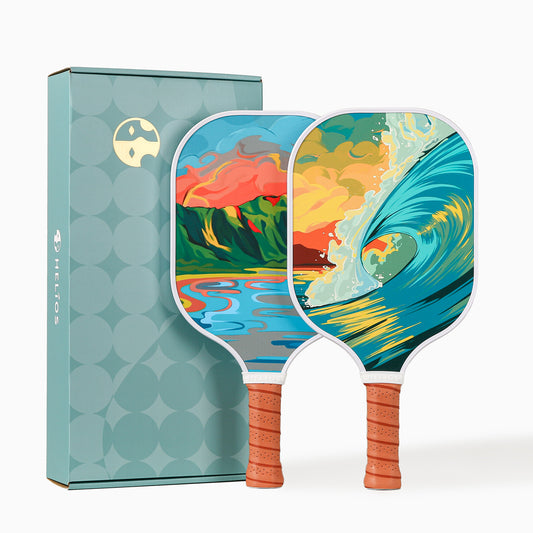
Ready to begin your pickleball journey? Start with the right equipment. The Helios Gaia Nature Pickleball Paddle Set provides everything needed for couples or friends starting together, with paddles designed for comfort and control. Because in pickleball, as in life, it's never too late to serve up something amazing. The court is calling—answer with confidence, knowing that age is just a number when you're having this much fun.
Frequently Asked Questions
What are the health benefits of pickleball for seniors?
Pickleball provides low-impact cardiovascular exercise improving heart health by 12%, enhances balance reducing fall risk by 23%, builds functional strength, and sharpens cognitive function. Studies show regular players experience 40% higher life satisfaction and 35% lower depression rates.
How can I modify pickleball for limited mobility?
Use lighter paddles (7-7.8 oz), play with softer indoor balls outdoors, implement double-bounce rules, allow smaller court dimensions, and consider seated play in wheelchairs. Many groups offer adaptive sessions with modified rules maintaining competitive fun.
What gear is recommended for senior players?
Lightweight paddles under 8 ounces like the Helios Selene, court shoes with lateral support, protective eyewear, moisture-wicking clothing, and larger grip sizes (4.5-4.75 inches) are essential. Consider paddles with vibration-dampening features for joint protection.
Are there adaptive rules or courts for older adults?
Yes, common adaptations include shorter games (to 7 or 9 points), extended non-volley zones, underhand serves only, rally scoring, and using tennis court dimensions for more space. Many facilities offer senior-specific court times with these modifications.
How do I find senior pickleball groups or clinics?
Search "senior pickleball" or "55+ pickleball" on Facebook for local groups, check YMCA and community center schedules, visit usapickleball.org's court finder, or search Meetup.com. Many areas have dedicated senior playing times and beginner clinics.
How does pickleball benefit mental health and community?
Regular play reduces depression by 35% and anxiety by 40% through social interaction and achievement. The doubles format builds friendships, provides structure to retirement, and creates belonging through shared activities, combating isolation common in aging
Why do older adults enjoy pickleball so much?
Pickleball combines genuine athletic competition with a low-impact format that is forgiving on joints. The doubles format naturally fosters social bonds, and the shorter court makes the game physically manageable well into a player's 70s and 80s.
Is pickleball suitable for seniors with joint pain or limited mobility?
Yes. Pickleball's lightweight paddle, slower ball pace, and compact court reduce joint strain compared to tennis. Seniors with arthritis or limited mobility can often participate comfortably, though consulting a doctor before starting any new physical activity is recommended.
What are the best pickleball tips for senior players?
A3: Prioritize a wide stance for lateral stability, keep your paddle up in a ready position, and favor doubles to reduce court coverage. Intentional warm-up targeting hips, knees, and ankles before each session significantly reduces injury risk.
What should seniors look for in a pickleball paddle?
A4: Seniors benefit most from a lightweight paddle between 7.3–7.8 ounces, a 16mm polypropylene honeycomb core for vibration absorption, and a grip sized 4.125–4.5 inches to reduce forearm and elbow strain during extended play.