Are There Lets In Pickleball - Pickleball Let Serve Explained

Introduction to Let Serves in Pickleball
Pickleball has rapidly become a favorite sport for many, blending elements of tennis, badminton, and table tennis. As more players take to the courts, questions about the game's rules often arise. One topic that generates much discussion is the concept of "lets" during serves.
Players often come to me and ask questions like “Are there lets in pickleball?” or “is there a let in pickleball?”, and if I say it is valid then they follow up with “what is a let in pickleball?”.
Understanding the current rules regarding let serve pickleball is essential for both newcomers and seasoned players aiming to play the game correctly and competitively.
What Is A Let Serve In Pickleball?
In racket sports like tennis, a "let" occurs when a served ball touches the net but still lands within the correct service area. Traditionally, this results in a replay of the serve without penalty. This rule was designed to ensure fairness, as the net could alter the ball's course unpredictably.
In the early days of pickleball, the game adopted a similar rule. A serve that hit the net and landed in the correct service court was considered a "let serve," and players would replay the serve. This prevented any advantage or disadvantage caused by the ball touching the net.
Current Rules For Let Serve in Pickleball
Rule Changes For Lets In Pickleball In 2021 :
According to the 2026 USA Pickleball Official Rulebook which underwent a complete structural reorganization effective January 1, 2026 the no-let-serve rule remains firmly in force. If a served ball touches the net and lands in the correct service court, it is a live ball and must be returned. No replay. No stoppage. The rule has been unchanged in substance since its introduction in 2021, and the 2026 rulebook confirms its continuation across all levels of play.
The removal of lets simplifies the game, requiring the receiving team to return the serve if it lands within the correct service area.
Can the Ball Hit the Net During a Rally in Pickleball?
The no-let rule in pickleball doesn't just apply to serves it also governs what happens when any shot clips the net during a rally. Unlike tennis, there is no net-cord let that stops a point in progress.
Here is how it works: if a ball clips the top of the net during a rally and still clears to the opponent's side of the court, it is a live ball. Your opponent must play it. If it clips the net and falls back on your own side, that is a fault you lose the point.
The same logic applies to the kitchen (non-volley zone): a net-clipping rally shot that lands in the kitchen is perfectly legal and remains in play. Only the serve is forbidden from landing in the kitchen on its initial bounce.
This rule applies to dinks, drives, and volleys. Whether you are placing a delicate dink or finishing a point with an overhead, any net clip that crosses to the opponent's side is always live. It is part of pickleball's continuous-play philosophy no pauses, no replays, just fast action.
Key Rules About Let In Pickleball
Serve Hits the Net and Lands in the Correct Court: A serve that touches the net but still lands in the correct service box is not a fault. The ball remains in play, and the receiving team must be prepared to return it.
Net Touch and Correct Service Court: If the ball hits the net and lands within the correct side of the court, the serve is valid. No replay or "let" is called, ensuring continuous play.
Fault Occurs When: The serve fails to land within the correct service box.
The ball touches the kitchen line or the volley zone line directly on a serve.
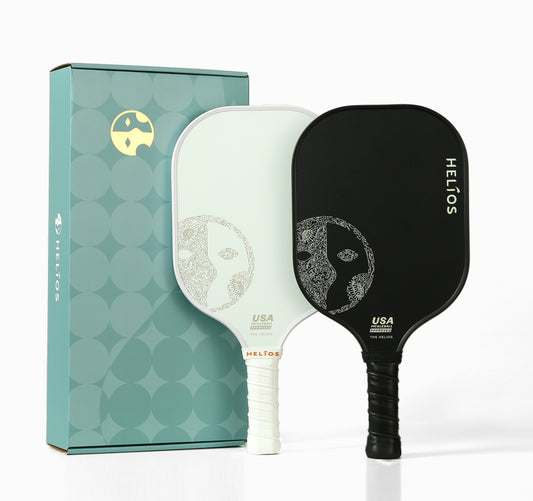
[[product:the-helios-pickleball-paddles]]
Why Was The Pickleball Let Rules Removed?
- Improved Game Flow: The removal of lets eliminates unnecessary interruptions caused by replaying serves that touch the net but land legally. This ensures a more dynamic and engaging game.
- Reduced Disputes Over Line Calls: In the past, determining whether a serve hit the ball on the net and if it was a valid let caused arguments. This rule change reduces such conflicts, fostering a smoother game environment.
- Increased Challenge for Players: With serves that graze the net staying in play, the receiving team must enhance their vigilance and reflexes. The unpredictability of a ball deflected by the net adds an extra layer of skill and anticipation.
Both the serving team and the receivers need to adjust their strategies to account for these variations in the serve.
Strategic Adjustments for Players
- Serving Team Considerations: Servers can confidently aim for aggressive serves, knowing that even if the ball hits the net and lands within the correct service box, the point remains valid. Practicing consistent, accurate serves that avoid the kitchen line and volley zone line is critical.
- Receiving Team Readiness: Receivers must stay alert for serves that touch the net and behave unpredictably. Proper paddle positioning and court awareness can make the difference between a strong return and losing the rally.
- Equipment Matters: Using a responsive paddle, like the Selene paddle from Helios Pickleball, enhances a player’s ability to handle tricky serves effectively.
Staying sharp on the court is crucial. Consider trying the Athos paddle for enhanced performance that keeps you ahead of unexpected serves.
[[product:the-cielo]]
Common Misunderstandings About Let Serve In Pickleball
Many players, especially those transitioning from other racket sports (e.g., tennis), assume that "lets" still apply in pickleball. This misunderstanding can lead to disputes, delays, and incorrect fault calls during matches.
In the past, pickleball let serve was part of the game, requiring a re-serve if the ball touched the net but landed in the correct service area.
Clarification of Current Rules:
- No Let Serves: According to the latest official pickleball rulebook, lets in pickleball no longer exists. If a serve contacts the net and still lands in the correct service court, it is considered a live ball.
- Live Serves: The receiving team is obligated to return a legal serve, regardless of whether it touches the net on its way over.
Communicating Rules with Players:
Miscommunication about lets in pickleball can lead to contentious situations. Discussing and agreeing on the rules before starting a game can ensure smoother play and fewer disputes.
Rulebooks or quick reminders can help bridge knowledge gaps, especially in mixed-experience groups.
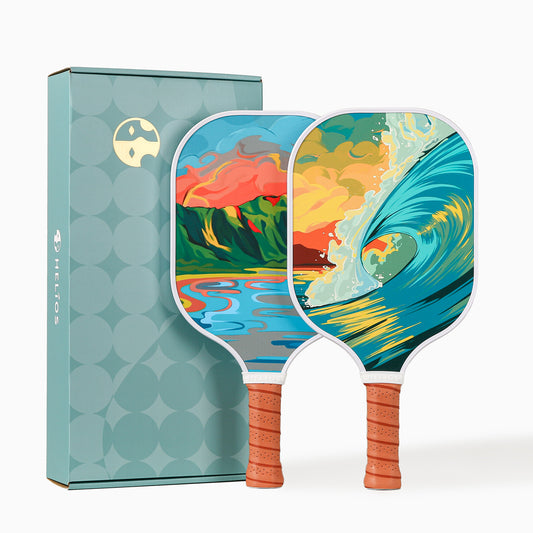
[[product:the-hawaii]]
The Importance of Let Serve in Pickleball
Players who fully understand the rules about let serves gain an edge in both serving and receiving.
The knowledge encourages strategic play and better reactions during matches, fostering a competitive yet enjoyable experience.
Impact on the Serving Team:
- Strategic Risks: Servers may take calculated risks, knowing that even if the ball grazes the net, the point remains in play. This opens opportunities for aggressive or spin-heavy serves.
- Consistency: Despite the rule, delivering clean, well-executed serves remains critical for setting up advantageous plays.
Impact on the Receiving Team:
- Heightened Awareness: Receivers must maintain focus and be prepared for deflections caused by a net-touching serve. These deflections can lead to unpredictable ball trajectories.
- Positioning: Proper positioning and readiness with the paddle ensure quick responses to unexpected serves. A balanced stance improves the receiver's ability to return even tricky serves effectively.
Key Takeaways for Players
- Adapting to the Rule Change: The removal of let serves is consistent with pickleball's emphasis on continuous play and minimizing distractions. Players should practice handling net-touching serves during training to build muscle memory and confidence.
- Fostering Rule Clarity: Organizers, referees, and experienced players should educate newcomers about the absence of let serves. Consistent rule enforcement across tournaments and casual games will help mitigate misunderstandings.
- Encouraging Strategic Play: Both serving and receiving teams should incorporate the nuances of let-serve rules into their strategies, enhancing overall competitiveness and gameplay quality.
For players looking to improve their game, the Gaia paddle offers excellent control and a large sweet spot, making it easier to handle tricky serves.
[[product:the-gaia-pickleball-paddles]]
Tips for Dealing with Let Serves During Play
Adapting to the absence of let serves requires practice and strategy. Here are some pointers to help you adjust:
- Stay Focused: Always be prepared for the serve, even if it clips the net. Assume the ball is live until it's clearly out of play.
- Improve Reflexes: Practice drills that enhance your reaction time to unexpected shots.
- Communicate with Partners: In doubles play, clear communication ensures both players are ready to return serves.
- Maintain Proper Positioning: Keep your paddle up and body balanced to react quickly.
- Study Opponents: Observe serving patterns to anticipate possible net touches.
Enhancing your equipment can also give you an edge. The Khione paddle combines power and control, helping players respond effectively to all types of serves.
[[product:the-khione-set]]
Conclusion: Does the Let Serve Still Matter?
While the let serve is no longer a part of pickleball's official rules, understanding its historical significance and the current regulations is vital. Being knowledgeable about this change ensures you're playing correctly and can adapt your strategies accordingly.
The removal of the let serve emphasizes the importance of readiness and quick reflexes on the court. Embracing this change can enhance your overall gameplay and appreciation for the sport. I hope this guide has helped you clear out the fog around “is there a let in pickleball?” and other doubts.
Elevate your game with equipment designed for today's pickleball. Explore the Helios paddles collection to find the perfect match for your style and needs.
[[product:helios-beginner-pickleball-paddle-set]]
FAQs
1. Are let serves allowed in pickleball?
No, let serves are no longer allowed in pickleball. According to the current rules, if a serve touches the net but still lands in the correct service court, it is considered a valid serve, and play continues without interruption.
2. What happens if a serve hits the net in pickleball?
If the serve hits the net and lands within the correct service court, the ball is live, and the receiving team must return it. However, if the ball lands beyond of the designated service area, it is termed a fault.
3. How many lets do you get in pickleball?
Under the current rules, there are no lets in pickleball. A serve that touches the net and lands appropriately is played, while serves that fail to land in the correct service court are faults.
4. Does a serve touching the net count as a fault?
A serve touching the net is not a fault as long as it lands within the correct service court. It is only a fault if the ball lands outside the correct area, touches the kitchen line, or violates other serving rules.
5. Why was the let serve rule removed from pickleball?
The let serve rule was removed to streamline gameplay by reducing unnecessary stoppages. It also minimizes disputes over whether a serve grazed the net and increases the challenge for players by requiring readiness for unpredictable serves.
6. Are there lets in pickleball?
No. Since 2021, the USA Pickleball rulebook eliminated the let serve rule. If a serve clips the net and lands in the correct service court, it stays live and must be returned no replay is given.
7. What is a let in pickleball?
A let was a serve that clipped the net but still landed in the correct service box, triggering a replay. USA Pickleball abolished this rule in 2021 under the official rulebook; net-clipping serves are now live balls.
8. Can the ball hit the net in pickleball during a rally?
Yes. During a rally, if a shot clips the net and lands anywhere in the opponent's court including the kitchen play continues without stoppage. This applies equally to dinks, drives, and volleys.