How to Run a Pickleball Ladder League

Open play is fun. But after a few months of showing up and playing whoever is available, most groups want something more structured. That is where a pickleball ladder league fits. It ranks players by skill, creates natural matchups, and gives everyone a reason to keep coming back every week.
The setup is not complicated. You need courts, players, a format, and a way to track results. This guide walks through how to organize pickleball league play using a ladder system, from first signup to end-of-season standings.
What a Ladder League Is and How It Works
A pickleball ladder league is a ranking-based format. Players are ordered from top to bottom based on results. Lower-ranked players challenge those above them. If the challenger wins, they move up. If the higher-ranked player wins, they hold their spot. Over time, the ladder sorts itself into a true skill ranking.
Unlike a round robin, a ladder has no fixed end date. It can run continuously, with players joining and leaving as needed. That flexibility is why it works so well for rec centers, clubs, and community groups with mixed attendance. Each player brings their own USAPA-approved paddle and shows up ready to compete.
Round Robin vs Ladder
Before choosing your pickleball league format, it helps to understand the two most popular options side by side.
| Feature | Round Robin | Ladder |
|---|---|---|
| Structure | Fixed weekly game day, assigned matches | Flexible, players arrange their own matches |
| Season length | 6 to 12 weeks | Ongoing, no set end date |
| Attendance | Regular attendance expected | Flexible, show up when you can |
| Best for | Committed groups, social play | Mixed schedules, competitive players |
| Player count | 8+ per division | 6+ works fine |
| Ranking | Based on win-loss record | Based on challenge results, winning percentage |
Round robin works well for a single afternoon or a short season with committed players. A ladder works better for groups where attendance varies and players want ongoing competition. Many clubs run both: a social round robin on Saturdays and a competitive ladder during the week.
How to Set Up a Pickleball Ladder League Step by Step

Here is the full pickleball club league setup process, from scratch to first match.
Step 1. Secure Your Courts
- Book court time at your local rec center, park, or club.
- Reserve a consistent weekly slot (Tuesday evenings, Saturday mornings, whatever works for your group).
- For a 16 to 20 player ladder, 4 courts is ideal.
- Confirm the booking before you open registration.
Step 2. Set the Rules
Write a one-page rules document covering:
- Scoring format: games to 11 (win by 2) or games to 15/21 for rally scoring
- Challenge range: players can challenge up to 2 to 3 spots above them
- Match frequency: minimum 2 matches per month to stay active
- Inactivity policy: drop 2 positions after 3 weeks without a match
- Sportsmanship expectations and line call policy
Keep it simple. Players will follow rules they can remember.
Step 3. Register Players and Seed the Ladder
- Collect player names, contact info, and self-rated skill levels (2.5, 3.0, 3.5, etc.).
- Use DUPR ratings if available for a more accurate starting order.
- Seed the initial ladder by rating, then let results adjust the rankings over the first 2 to 3 weeks.
- A minimum of 8 players makes a ladder viable. 16 to 20 is the sweet spot for 4 courts.
Step 4. Pick Your Tracking Tool
You can run a ladder with a whiteboard and a marker. But digital tools make everything smoother:
- Pickleheads: built-in ladder management with step tracking, seeding, and scheduling
- RecAce: free match logging, ELO ratings, and head-to-head records
- Google Sheets: workable for groups under 15 players
- Group chat (WhatsApp or GroupMe): for challenge announcements and scheduling
The combination of a group chat for coordination and a digital tool for standings covers what most ladders need.
Step 5. Run Your First Night
- Assign courts by ranking (Court 1 is the top rung).
- Groups of 4 per court play round robin matches within their court.
- After each game day, update standings based on results.
- Players move up or down for the next session.
- Start 15 minutes early for warm-ups and announcements.
- End with updated standings posted to the group chat.
Gear for Your League

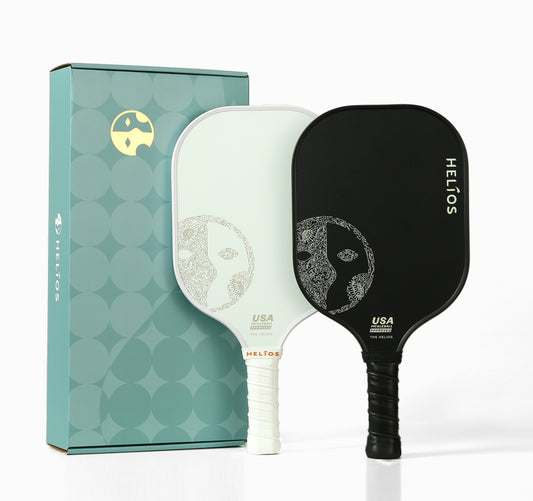
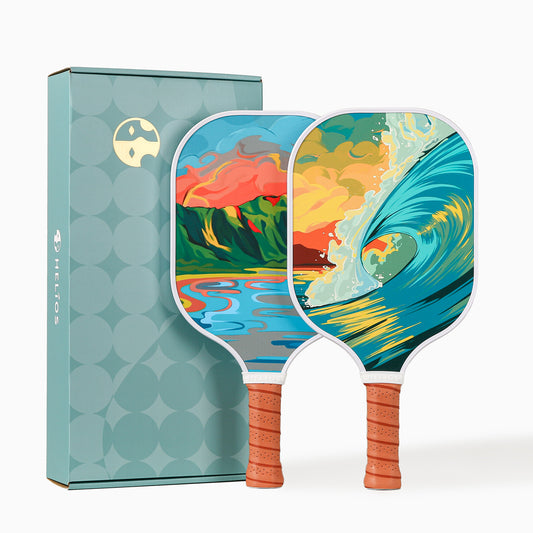
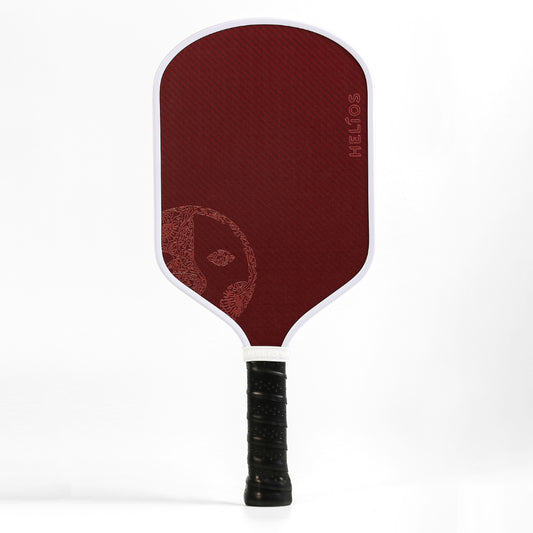
If your club or rec center is supplying gear for league nights, stock quality equipment that holds up to weekly play.
- Performance paddles with carbon fiber faces for competitive divisions
- Recreational paddles with fiberglass faces for beginner-friendly ladders
- Paddle sets with two paddles, balls, and a case for grab-and-go play
- Outdoor tournament-spec balls from the Helios accessories collection (replace cracked balls weekly)
For clubs that want branded league gear, Helios custom paddles start at a 10-unit minimum with a 14-day turnaround. Add your club name or league logo across the full paddle face.
Tips That Keep Players Coming Back
A ladder that runs for one month and fizzles is not a league. Here is what keeps momentum going:
- Post updated standings within 24 hours of each game day
- Send a weekly recap with results, upcoming matches, and any ladder movement
- Run a season-end event (top 4 playoff, awards night, social mixer)
- Collect a small per-season fee ($30 to $60) to cover court costs and balls
- Recognize top climbers (biggest rank improvement), not just the #1 spot
Build Your Ladder and Fill Your Courts
A pickleball ladder league is one of the best ways to turn casual players into committed regulars. It gives everyone a ranking, a goal, and a reason to show up every week. Start with 8 to 20 players, 2 to 4 courts, and a simple set of rules. The ladder takes care of the rest.
When your league is ready for quality gear, browse the Helios collection for paddles, accessories, and custom options that put your club's name on the court.
Frequently Asked Questions
What is a pickleball ladder league?
A ladder league is a ranking-based competition where players are ordered by skill. Lower-ranked players challenge those above them. Winners move up, losers hold or drop. The ladder sorts itself into a true skill ranking over time.
How many players do you need for a pickleball ladder?
A minimum of 8 makes a ladder viable. The sweet spot is 16 to 20 players for 4 courts. Fewer than 6 players makes scheduling difficult and limits opponent variety. Larger groups (20+) can be split into skill-based divisions.
What is the difference between a round robin and a ladder league?
Round robins have a fixed schedule where everyone plays everyone over a set season. Ladders are ongoing, flexible, and rank-based. Round robins suit committed groups with regular attendance. Ladders suit groups with mixed schedules who want competitive structure.
How do you track standings in a pickleball ladder?
Use Pickleheads (built-in ladder tools), RecAce (free ELO tracking), or a shared Google Sheet. Post updated standings after every game day. Digital tools beat whiteboards once your ladder passes 15 players.
How often should ladder matches be played?
Set a minimum of 2 matches per month per player. Weekly game nights work best for keeping the ladder active. Players who go 3 or more weeks without a match should drop 2 positions automatically to keep the ladder moving.
What scoring format works best for ladder play?
Games to 11, win by 2, best of 3 is the standard. Rally scoring to 15 or 21 works well when court time is limited. Pick one format for the entire season and do not change it mid-league. Consistency matters more than the specific format.