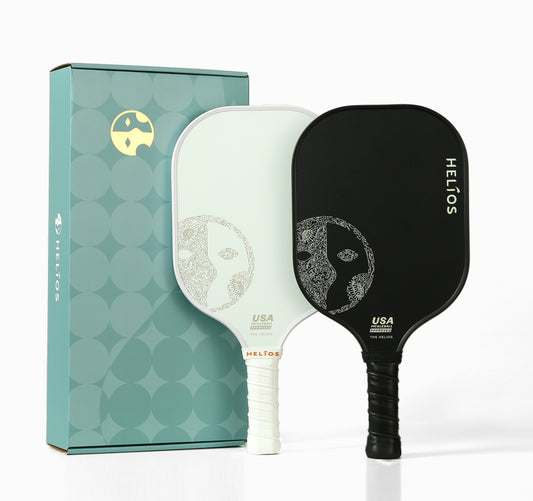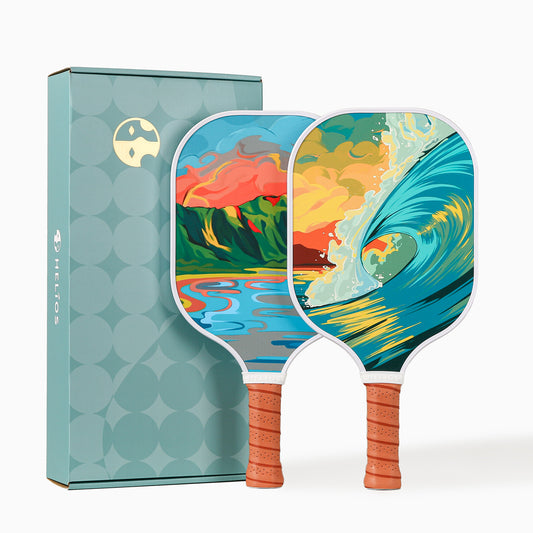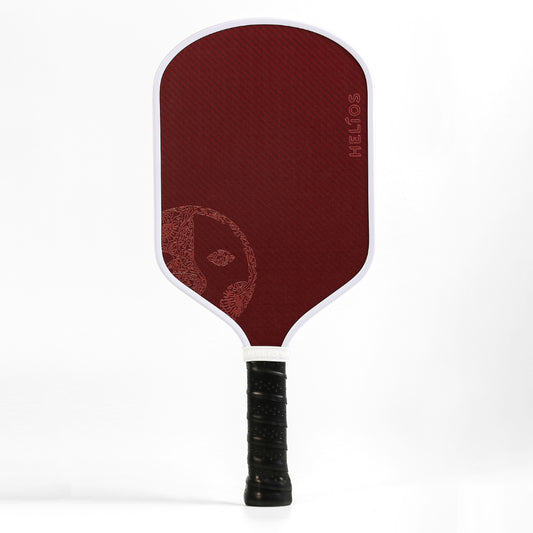
How to Care for Your Pickleball Paddle: Maintenance Tips That Actually Work

You spent weeks researching before pulling the trigger on your paddle. Maybe you tested a few demos, read reviews, and asked friends for opinions. So why let a little sweat, dirt, and careless storage cut its lifespan in half?
Here is the truth most players learn the hard way: even the most durable pickleball paddles lose their edge without proper care. That textured surface generating your spin? It slowly fills with gunk. The grip that felt perfect on day one? It gets slick and unreliable. Before you know it, your paddle feels like a stranger in your hand. The good news is that a few simple paddle maintenance habits can add years to your equipment. Let's break down exactly what works with long-lasting pickleball paddles.
Why Does Paddle Maintenance Actually Matter
Think about it this way. Your paddle face works by gripping the ball during contact. Those microscopic grooves and textures create the spin that makes your shots unpredictable. Now imagine those grooves slowly filling with sweat, ball residue, and court dust over weeks and months.
Suddenly, your topspin third shots are sitting up like beach balls. You blame your technique when the real culprit is sitting right in your hands. The average paddle lifespan ranges from 1 to 5 years, depending on how often you play and how well you treat your gear. Competitive players burn through paddles every few months, but recreational players who prioritize paddle maintenance can stretch that timeline significantly.
Cleaning Your Paddle Face: The Most Important Step
Regular cleaning is where most players fall short. Skip this step consistently, and even durable pickleball paddles will underperform within months.
After each session, wipe your paddle face with a damp microfiber cloth. Takes thirty seconds. Once a week, use a paddle eraser or cleaning block to lift embedded dirt. These rubber tools restore texture without causing damage. Think of it like brushing your teeth. Daily maintenance prevents bigger problems down the road.
What to Avoid When Cleaning
Stay far away from household cleaners, bleach, acetone, or anything alcohol-based. These chemicals strip protective coatings faster than dirt ever could. Never soak your paddle in water, either. Many paddles have honeycomb or foam cores that trap moisture, leading to internal damage you cannot see until performance tanks. A damp cloth is all you need.
Caring for Carbon Fiber Surfaces
Carbon fiber paddles need extra attention because their grittier surfaces collect debris more quickly. That texture is exactly what gives you spin, but it also traps more gunk. Use a carbon fiber cleaning block designed for these surfaces and rub gently in circular motions. For fiberglass paddles, stick with a damp microfiber cloth since carbon erasers can cause damage. Proper care keeps long-lasting pickleball paddles performing at their best. If you own a Helios Astraeus or similar premium carbon fiber paddle, check the surface after intense sessions to maintain optimal spin.
[[product:the-astraeus-pickleball-paddles]]
Maintaining Your Grip
Your grip handles sweat, pressure, and constant friction during play. It is the only part of your paddle you actually touch, yet most players ignore it until their hand starts slipping mid-rally.
Wipe down the handle with a dry towel after each session. For a deeper clean, use a slightly damp cloth and dry thoroughly afterward. Players hitting the courts multiple times per week should replace their overgrip every few weeks. A worn grip forces you to squeeze harder, which affects accuracy and accelerates fatigue. Fresh grip tape makes a bigger difference than you might expect. The Helios Organic Overgrip offers excellent moisture absorption for players who want a consistent feel through long sessions.
[[product:the-overgrip]]
Proper Storage for Long-Lasting Pickleball Paddles
Where you store your paddle matters more than you think. Extreme temperatures are the silent killer of quality equipment.
Temperature Guidelines
Heat softens the paddle face and causes delamination, where layers separate from the core. Cold makes materials brittle and crack-prone. Good paddle maintenance means never leaving your paddle in a hot car, direct sunlight, or an unheated garage during winter. Store at room temperature in a dry spot, ideally inside a closet or equipment bag. A paddle cover adds protection against scratches and temperature swings. The Helios On The Court Tote Bag keeps gear protected and organized between sessions.
[[product:the-helios-on-the-court-tote-bag]]
Protecting the Edge Guard
The edge guard absorbs impact and protects structural integrity. Even durable pickleball paddles take a beating every time you scrape the court chasing a low ball or accidentally tap the net post. Inspect it regularly for peeling, cracks, or loosening. If wear shows up, apply edge guard tape before damage spreads to the paddle face. A few dollars of tape now prevents an expensive replacement later.
Handling Your Paddle With Care
Durable pickleball paddles are built to withstand ball impacts, not ground slams or rough handling. Dropping your paddle on hard courts, tapping it against posts, or throwing it after a frustrating point accelerates wear and causes hidden internal damage. Carry your paddle in a protective bag to and from the courts. Keep it separate from keys, water bottles, and anything that could scratch the surface. Players using premium equipment like The Helios protect their investment by treating their gear with respect.
[[product:the-helios-pickleball-paddles]]
Signs Your Paddle Needs Replacement
Even with excellent paddle maintenance, paddles eventually wear out. Watch for these warning signs that tell you it is time to upgrade.
Reduced spin or ball control despite a clean surface signals worn texture. Dead spots that feel soft or unresponsive indicate core damage. Visible cracks, chips, or delamination compromise structural integrity. A dull thud instead of a crisp pop suggests internal problems. When your paddle stops performing consistently, it is time to explore fresh options from the Helios collection.
Light Up Your Game With Helios
At Helios Pickleball, we design long-lasting pickleball paddles where modern court meets ancient strength. Our equipment combines elegant design with powerful play, built to perform session after session. When you care for your paddle properly, you get the most out of every swing.
Browse the collection and join the Helios community.
Frequently Asked Questions
Q: How often should I clean my pickleball paddle?
Wipe your paddle with a damp microfiber cloth after every session. Use a paddle eraser or cleaning block once a week for deeper cleaning, especially if you play frequently or notice reduced spin.
Q: Can I use Windex or household cleaners on my paddle?
No. Household cleaners leave sticky residues that attract more dirt and can damage the surface. Stick to water and a microfiber cloth.
Q: How long do durable pickleball paddles typically last?
Lifespan ranges from 1 to 5 years. Casual players with good habits can expect 2 to 4 years. Competitive players often replace paddles every 3 to 12 months due to heavier wear.
Q: Does storing my paddle in the car damage it?
Yes. Extreme heat softens materials and causes delamination. Extreme cold makes them brittle. Even durable pickleball paddles suffer from temperature damage. Always store your paddle at room temperature for maximum longevity.
Q: What makes some paddles more durable than others?
Build quality, core materials, and face construction all affect durability. Carbon fiber faces typically outlast fiberglass. Foam cores resist crushing better than traditional honeycomb. Premium paddles from brands like Helios Pickleball outlast budget options because of superior materials and craftsmanship.