How Long Does a Pickleball Game Last? Recreational vs. Tournament Play
Introduction: The Question Every Player Asks Before Booking Court Time
You're blocking off court time or planning your first tournament. The question hits: how much time should you actually reserve?
The answer? Anywhere from 15 minutes to multiple hours, depending on what you're playing.
How long is a pickleball game depends on format, skill level, and competition intensity. A casual doubles game wraps up fast. A tournament match with best-of-three formats? Clear your calendar.
Here's what determines game length, when you need more time than expected, and how to plan sessions without running over or standing around waiting.
Why Pickleball Scoring to 11 Keeps Most Games Under 30 Minutes
Standard recreational games play to 11 points. Win by 2. First side there wins.
Sounds straightforward. Usually takes 15-25 minutes for doubles, 12-18 minutes for singles.
The Math Behind Quick Game Times
With traditional side-out scoring where only the serving team earns points games move at a predictable clip. Each rally either extends the score or switches serve. No wasted time between points.
Most recreational players maintain rallies lasting 5-15 seconds. Add serve time, position resets, and brief breaks between points, and you're looking at roughly 30-45 seconds per point cycle.
Do the math: 11 points at 40 seconds each equals roughly 7-8 minutes of pure play time. Factor in warmups, water breaks, and the occasional line call discussion, and you land at 15-25 minutes total.
When Games Stretch Beyond Expected Time
Skill level changes everything. Advanced players extend rallies. Better shot placement, defensive skills, and strategic dinking prolong each point. What takes beginners 8 seconds might take competitive players 30-45 seconds.
When both sides play at 4.0+ level, expect games closer to 25-30 minutes. The rallies get longer. The strategy deepens. The score advances slower.
Paddles matter here. Premium options like THE APOLLO with maximum USAPA-approved grit enable the kind of spin and control that extends rallies. Better equipment in skilled hands means longer points, more strategic exchanges.
Average Pickleball Game Length by Format
A single game to 11 points, win by 2, usually takes 15-25 minutes. Recreational sessions run in games, so a casual hour covers two to four games. Singles games often move faster than doubles because there's less dinking and shorter rallies. Tournament formats to 15 or 21 points, or best-of-three matches, naturally run longer.
Rally vs Side-Out Scoring: What Actually Changes Game Duration
Two scoring systems exist. Completely different timing patterns emerge.
Traditional Side-Out Scoring Mechanics
Only the serving team scores points. Lose the rally while serving? Side out serve switches to opponents. No point awarded.
Games to 11 points typically last 15-25 minutes. The serve-switching mechanism naturally paces the game. Teams trade serves, building momentum gradually.
Rally Scoring Format Reality
Every rally awards a point. Serving team or receiving team doesn't matter. Win the rally, earn the point.
Sounds faster, right? Often not. Here's why: organizers typically bump the winning score to 15 or 21 points to compensate for faster scoring. A rally-scored game to 15 often takes similar time as a side-out game to 11.
The feel differs though. Rally vs side-out scoring creates constant pressure. Every point matters immediately. No "safe" receiving rallies to catch your breath. Each exchange counts toward the final score.
What Tournament Pickleball Format Means for Your Time Commitment
Tournament play follows different rules. Different time commitments emerge.
Best-of-Three Standard Structure
Most tournaments use best-of-three formats. Win two games, win the match. Each game plays to 11, win by 2.
Pickleball match duration in tournaments: 45-75 minutes typical. Sometimes longer.
Here's what extends tournament time beyond recreational play:
Warmup Protocols: Tournaments typically allow 5-10 minutes pre-match warmup. Players drill volleys, practice serves, get comfortable with court conditions and lighting.
Strategic Timeouts: Each team gets timeouts. Advanced players use timeouts strategically breaking momentum, discussing tactics, catching breath during critical stretches.
Competitive Intensity: Higher stakes mean longer rallies. Players work harder to win each point. Defensive shots increase. The ball stays in play longer.
Format Requirements: Best-of-three means potentially three full games. First game might finish 11-9 (close, long). Second game could go 11-4 (quicker). Third game if needed decides everything. Typically the longest, most intense game.
Tournament Day Reality Check
Sign up for doubles and singles? Block out 4-6 hours minimum.
Round-robin formats mean you play multiple matches. Even if each match takes 45-60 minutes, add wait time between matches. Court assignments. Checking brackets. Watching other matches while waiting for your turn.
Single-elimination tournaments with deep runs? Plan for a full day. Winners keep playing. More matches equal more court time. Bring comfortable seating, extra paddles (keeping THE ASTRAEUS as backup works well), hydration, snacks. Tournament days test endurance as much as skill.
How Long Is a Tournament Match?
A best-of-three tournament match commonly runs 30-60 minutes depending on scoring format and how competitive the games are. Medal-round matches with tight, grinding rallies sit at the upper end. Plan for roughly 20 minutes per game as a working estimate.
Rec vs Competitive Pickleball: The Substantial Time Gap Explained
Recreational and competitive play operate on different clocks entirely.
Recreational Game Timing (15-25 Minutes Average)
Casual doubles at the local court. Friendly competition. Maybe keeping score, maybe not.
Players arrive, minimal warmup, start playing. Games flow quickly. Mistakes happen, points end fast. Between-point breaks stay brief. Social atmosphere keeps energy light.
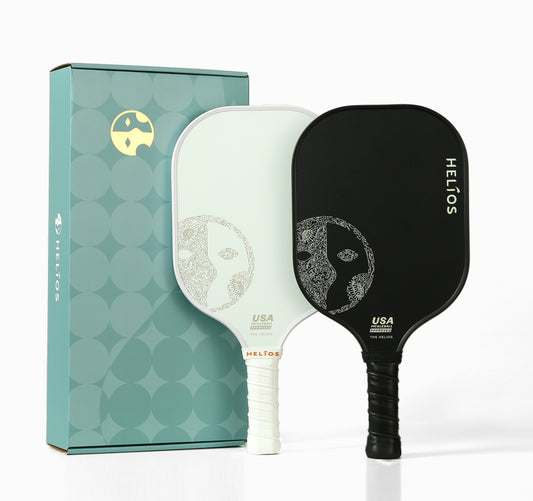
Most recreational players hit with paddles suited for fun, forgiving play something like THE HELIOS offers reliable performance without requiring tournament-level precision. The focus stays on enjoyment and consistent rallies rather than winning at all costs.
Competitive Game Timing (25-40+ Minutes)
League play, ladder matches, club tournaments. Players show up focused. Proper warmups happen. Strategy discussions between partners before starting.
Rallies last longer. Shot selection becomes more calculated. Players work points, probe weaknesses, set up winning shots rather than going for outright winners early.
Equipment selection matters more in competitive settings. Players choose paddles matching game style control players grabbing something like THE SELENE for precision, power players opting for THE ATHOS with DuPont Kevlar for maximum aggression and spin capabilities.
Singles vs Doubles: How Format Changes Duration
Court coverage requirements shift timing significantly.
Doubles Timing (15-25 Minutes Standard)
Four players, less court per person. Faster exchanges at net. Points end quicker when players position correctly.
Standard doubles to 11 points rarely exceeds 25 minutes unless skill levels match tightly and rallies extend through strategic dinking exchanges.
Singles Timing (12-18 Minutes Typical)
One player covers entire court. More running, faster fatigue, points often end on errors rather than winners.
Singles games typically finish faster than doubles despite more court coverage. Players tire quicker, mistakes increase, rallies stay shorter on average.
Advanced singles players stretch games longer through fitness and strategy. Competitive singles between fit 4.5+ players might approach 25-30 minutes when both players maintain consistent defensive positioning.
How Skill Level Impacts Game Length
Your rating predicts your time commitment accurately.
Beginner Play (2.0-3.0): Shorter Games
New players learning fundamentals. Rallies last 3-8 shots typically. Balls go out, into net, mishits happen frequently. Points end quickly.
Games to 11 might finish in 10-15 minutes. Not because players rush points just don't last long. Paddles with large sweet spots and forgiving cores like THE GAIA help extend rallies slightly as beginners develop consistency and confidence.
Intermediate Play (3.5-4.0): Medium Length
Players developing strategy, working on dinking, understanding positioning. Rallies extend to 8-15 shots average.
Games settle into that 15-25 minute sweet spot. Enough skill to sustain rallies, not quite enough to engage in long strategic battles at the kitchen line.
Advanced Play (4.5+): Longer Games
High-level players rarely make unforced errors. Rallies routinely exceed 20 shots. Dinking exchanges last minutes. Points become chess matches.
Games between advanced players easily reach 25-35 minutes. The serve barely matters, everything happens after the two-bounce rule ends. Long, grinding points where the first mistake loses.
Equipment becomes crucial at advanced levels. Players need paddles delivering consistent performance through extended rallies why thermoformed options like THE APOLLO or FLARE with unibody construction maintain sweet spot consistency through long matches without degradation.
Environmental Factors That Extend Game Time
Court conditions change timing more than most players expect.
Weather Conditions Impact
Wind: Outdoor play in wind slows games dramatically. Players adjust shots, wait for wind to die down, retrieve balls blown off course. Add 5-10 minutes easily to expected game time.
Heat: Extreme heat forces more water breaks, slower pace between points. Players conserving energy extend match duration substantially.
Cold: Winter play means more warmup time, cold muscles moving slower initially. Paddles like THE KHIONE designed with durable TPU edge guards handle temperature extremes better than budget alternatives prone to cracking in cold weather.
Court Surface Quality
Premium courts with consistent bounce enable faster play. Players trust ball behavior, move confidently, points flow naturally.
Poor court conditions, cracks, uneven surfaces, faded lines slow everything down. Players hesitate, question line calls, adjust to unpredictable bounces. Games extend significantly.
Ball Quality Matters
Fresh, quality balls maintain consistent speed and bounce. Games flow smoothly without interruption.
Worn balls develop cracks, lose roundness, bounce unpredictably. Players spend time inspecting balls, requesting replacements, adjusting to irregular flight patterns. All add minutes to game duration.
Planning Your Court Time: Practical Guidelines
Schedule smarter with actual time needs in mind.
For Recreational Play
30-Minute Blocks Work Well: Allows one game with brief warmup and cooldown. Most rec players finish comfortably within 30 minutes.
Back-to-Back Games: Need 60 minutes minimum. Two games with water break between provides adequate time without rushing.
Open Play Sessions: Impossible to predict exactly. Plan a minimum 90 minutes if you want multiple games with rotating partners and social time.
For Tournament Play
Single Event (Doubles OR Singles): Block 3-4 hours minimum. Accounts for check-in, potential bracket delays, 2-3 matches if advancing through rounds.
Multiple Events: Full day required. Bring everything needed for 6-8 hours at venue without leaving.
Championship Matches: Can extend 75-90 minutes. Factor into scheduling if playing multiple events time conflicts happen frequently in tournament settings.
Time Management Strategies from Tournament Players
How experienced players maximize limited court time:
Efficient Warmups
Skip the casual hitting. Focus on specific shots, serves, returns, a few volleys, short dinking exchange. Six minutes covers everything needed without wasting energy.
Score Tracking Discipline
Server announces score before every serve. Prevents confusion, arguments, time waste debating the count mid-game.
Minimal Between-Point Delays
Water at side changes (switching sides every 6 points) only. Towel off quickly. Stay ready for next point.
Equipment Preparation
Extra paddle in bag (THE ASTRAEUS makes an excellent backup), fresh balls, full water bottle, grip towel ready. No scrambling mid-match searching for supplies.
Strategic Timeout Use
Don't waste timeouts early in games. Save for critical moments serving at 9-10, momentum shifts, partner discussions about opposing team patterns and strategies.
Conclusion: Time Your Game, Don't Let Your Game Time You
How long is a pickleball game? Depends entirely on what you're playing and who you're playing against.
Quick recreational doubles? 15-25 minutes gets you in and out efficiently. Competitive tournament match? Clear 45-75 minutes minimum, potentially more for championship rounds.
Understanding pickleball match duration helps you plan better neither rushing through games nor blocking excessive time unnecessarily. Schedule realistic court sessions, arrive prepared for your format, and respect the time commitment different competition levels demand from players.
The beauty of pickleball lies partly in flexibility. Want quick exercise during lunch? A few recreational games work perfectly. Craving serious competition? Tournament formats deliver all-day intensity and multiple matches.
Ready to optimize your court time with equipment that performs consistently whether you're playing 20 minutes or two hours? Check out Helios' complete paddle lineup every paddle built for the long game, backed with a lifetime warranty because quality equipment respects your time investment on and off the court.
FAQ: Your Pickleball Timing Questions Answered
Q. Why do tournament pickleball matches take longer?
Ans. Tournament matches use best-of-three formats (45-75 minutes total), include mandatory warmups, allow strategic timeouts, and feature higher-skill players who extend rallies through better defense and strategic kitchen play.
Q. Does playing to 11, 15 or 21 change game length a lot?
Ans. Yes, significantly. Games to 11 average 15-25 minutes. Games to 15 typically take 25-35 minutes. Games to 21 can extend 40-60 minutes, especially between evenly-matched competitive players who sustain long rallies.
Q. How many pickleball games can I expect to play on a tournament day?
Ans. Depends on format and advancement. Round-robin guarantees 3-5 matches minimum. Single-elimination might end after one loss or extend to 5-7 matches if winning consistently. Plan for 4-8 hours total at the venue.
Q. What factors make a pickleball game go longer than usual?
Ans. Closely-matched skill levels, advanced players extending rallies, windy outdoor conditions, worn balls requiring replacement, court surface issues causing line call disputes, and best-of-three tournament formats all significantly increase overall game duration.
Q. How long does a pickleball game last?
Ans. A standard game to 11 points (win by 2) typically lasts 15-25 minutes. Singles tends to be quicker than doubles, and higher-point tournament formats run longer.
Q. How long is a pickleball match to 11?
Ans. A single game to 11 usually takes about 15-20 minutes of play. Close games that reach deuce and extend past 11 run a little longer.
Q. How many games are in a pickleball match?
Ans. Recreational play is often single games, while tournaments commonly use best-of-three, so a full match runs three games at roughly 20 minutes each - about 30-60 minutes total.