Top 11 Healthiest Sports to Stay Fit (Everyday)

Staying fit should not feel like a chore. The moment exercise turns into something you dread, consistency disappears. That is exactly why the best healthy sports are the ones that make you forget you are working out. You are too busy having fun, competing, or just enjoying the movement to notice the calories burning or the muscles firing. The key is picking activities you can do regularly, not just the ones that sound impressive on paper.
We put together 11 of the best fitness sports that you can realistically play every day (or close to it). Every sport on this list was chosen because it checks three boxes: it delivers real physical benefits, it is accessible to a wide range of fitness levels, and it is genuinely enjoyable enough to keep you coming back. Whether you prefer something high-intensity or low-impact, solo or social, indoors or out, there is a fitness sport here that fits your life.
Why Playing a Sport Beats the Gym for Long-Term Fitness
Gyms are great. But let us be honest: most people struggle to stay consistent with a gym routine because it can feel repetitive and isolating. The best sports for fitness and strength solve that problem by adding something a treadmill never will: competition, social connection, and unpredictability. Every game is different. Every rally, every lap, every play asks something new of your body and brain, which keeps both engaged in ways that a 30-minute elliptical session simply cannot match.
The American College of Sports Medicine's 2026 fitness trends report highlighted this exact shift. Adult recreation and sport clubs made the top trends list for the first time, driven largely by the popularity of pickleball and a growing desire for social connection during exercise. People are leaving the gym floor and heading to the court, the pool, and the trail because sports make fitness feel like play. And when fitness feels like play, you show up more often.
11 Best Healthy Sports to Keep You Fit Every Day
From racquet sports and water workouts to strength builders and stress relievers, these fitness sports deliver serious health benefits without the monotony. Here are our top picks for staying active all year round.
Pickleball: The Social Cardio Workout You Will Actually Stick With
Pickleball has earned its spot at the top of this list for a reason that goes beyond the hype. It is one of the most balanced fitness sports you can play. A typical session burns 300 to 500 calories per hour while building lateral agility, hand-eye coordination, reaction speed, and lower-body strength. The quick rallies and constant lateral shuffling deliver a cardiovascular workout that competes with jogging, but with far less joint impact and far more laughing.
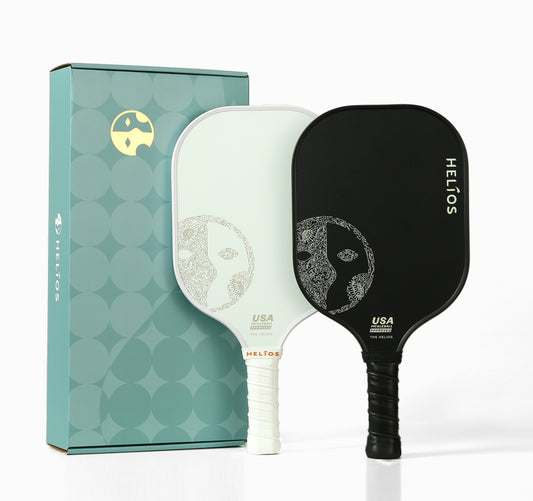
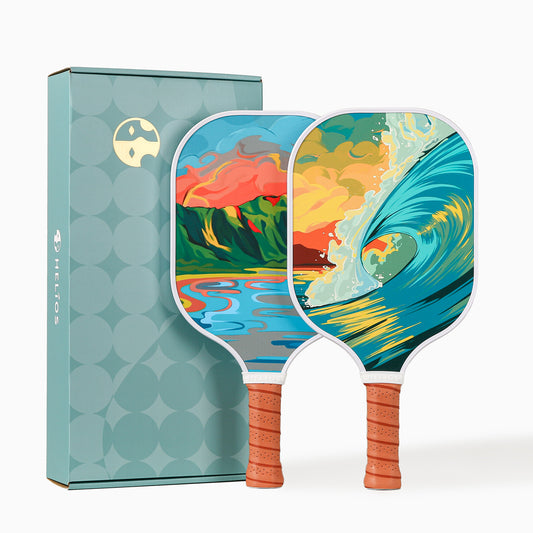
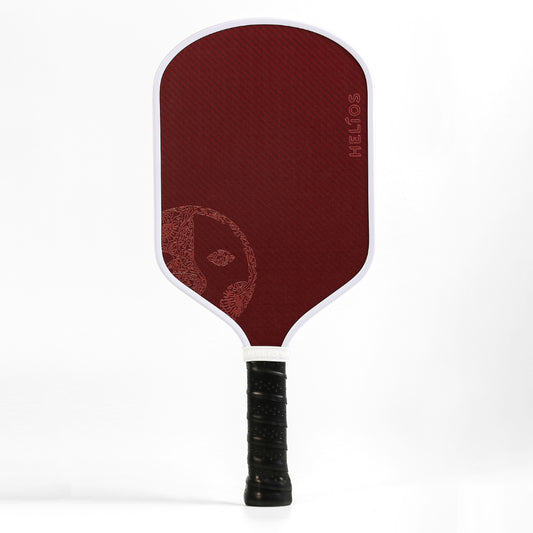
What makes pickleball one of the best healthy sports for everyday play is its accessibility. The court is small enough that you do not need elite endurance to keep up. The underhand serve is easy to learn. And the doubles format means you always have a partner, which adds a social component that keeps people coming back day after day. At Helios, our Energy Series paddles are handcrafted for balance, control, and feel, giving you premium performance whether you are playing a casual lunch-break rally or a competitive club match. The Helios Beginner Pickleball Paddle Set is the perfect starting point if you are picking up the sport for the first time.
Swimming: The Ultimate Low-Impact Full-Body Workout
If you could only do one exercise for the rest of your life, swimming would be a strong contender. It works every major muscle group, strengthens the cardiovascular system, improves lung capacity, and does it all with virtually zero impact on your joints. Whether you are doing laps, water aerobics, or open-water swimming, the resistance of the water provides a strength and endurance challenge that scales to any fitness level. It is also one of the best sports for fitness and strength for people recovering from injuries or managing chronic conditions.
Running: The Simplest Path to Cardiovascular Health
No equipment required (beyond a decent pair of shoes), no court reservations, no teammates needed. Running is the most accessible fitness sport on the planet. It builds cardiovascular endurance, strengthens bones and muscles, burns calories efficiently, and releases endorphins that genuinely improve your mood. Studies consistently show that runners have fewer bone and muscle problems than non-runners of the same age. Start with a walk-jog interval and build from there. Even 20 minutes a few times a week makes a measurable difference.
Cycling: Cardio and Leg Strength Without the Pounding
Cycling delivers an exceptional cardiovascular workout while being remarkably gentle on the knees and ankles. Forty minutes of moderate cycling burns roughly 400 calories and strengthens the quads, hamstrings, and glutes without the repetitive impact of running. It also doubles as transportation, which means you can build your workout directly into your commute. Indoor cycling classes offer a high-intensity alternative for days when the weather does not cooperate.
Yoga: Flexibility, Strength, and Mental Clarity in One Practice
Yoga is the rare fitness sport that improves your body and your mind at the same time. A consistent practice builds flexibility, core strength, balance, and muscular endurance while simultaneously reducing stress, anxiety, and mental fatigue. Styles range from gentle restorative sessions to intense power flows that leave you drenched in sweat. The versatility makes it one of the best healthy sports for everyday practice because you can adjust the intensity based on how your body feels on any given day.
Boxing: Full-Body Power and Stress Release
Boxing burns an enormous number of calories, builds upper-body and core strength, improves coordination, and sharpens reflexes. A one-hour session can burn 500 to 800 calories depending on intensity. Beyond the physical benefits, the rhythmic focus required for combinations and padwork makes boxing a powerful stress reliever. You do not need to step into a ring. Bag work, shadowboxing, and trainer-led padwork sessions all deliver the benefits without the contact.
Rowing: The Strength-Cardio Hybrid Most People Overlook
Rowing engages roughly 86% of your muscles in every stroke, making it one of the most efficient best sports for fitness and strength on this list. It builds serious pulling power through the back, shoulders, and arms while simultaneously challenging the legs and cardiovascular system. Whether you row on water or use an indoor ergometer, the movement is low-impact and scalable to any intensity level. Twenty minutes of rowing at moderate effort can match the calorie burn of a 30-minute run with less wear on your joints.
Rock Climbing: Grip Strength, Problem Solving, and Full-Body Conditioning
Indoor bouldering and climbing have surged in popularity because they combine physical challenge with mental engagement. Every route is a puzzle that requires strength, flexibility, and spatial reasoning to solve. Climbing builds exceptional grip strength, forearm endurance, core stability, and upper-body pulling power. It is also one of the most social gym-based activities, with a built-in community culture that encourages collaboration and shared progress.
Badminton: Fast Reflexes and Agile Movement
Badminton often gets overlooked in fitness conversations, which is a mistake. The shuttlecock can travel over 200 miles per hour in professional play, making it one of the fastest racquet sports in the world. Even at recreational levels, badminton demands quick reflexes, explosive footwork, and continuous lateral movement. An hour of play burns 400 to 500 calories and builds agility, coordination, and lower-body strength. For people who love pickleball and want a complementary fitness sport, badminton works the same fast-twitch muscle fibers in a different movement pattern.
Hiking: Cardiovascular Endurance Meets Mental Reset
Hiking is the fitness sport that does not feel like fitness. A moderate trail hike burns 400 to 600 calories per hour depending on elevation and terrain, strengthens the legs and core, and improves cardiovascular endurance. The mental health benefits are significant too. Studies have shown that time spent in nature reduces cortisol levels, improves mood, and enhances creative thinking. It is one of the best healthy sports for people who want to stay active without the structure of a court or a gym.
Tai Chi: Balance, Mobility, and Longevity
Harvard Medical School has called tai chi "meditation in motion," and the description is accurate. The slow, flowing movements build balance, flexibility, and lower-body strength while calming the nervous system and reducing stress. Tai chi is especially valuable for older adults because it directly addresses the balance and mobility that naturally decline with age. But it is not just for seniors. Anyone looking for a daily movement practice that improves body awareness and reduces injury risk will benefit from adding tai chi to their rotation.
How to Build an Everyday Fitness Routine Around Sports
The secret to lasting fitness is variety and enjoyment. Here is how to build a sustainable routine using the sports on this list.
Mix high-intensity with low-impact. Pair a pickleball session or a boxing class with yoga or swimming on alternate days. The high-intensity days build strength and cardiovascular capacity. The low-impact days promote recovery and flexibility. Together, they cover every dimension of fitness.
Make it social. Sports that involve other people have significantly higher adherence rates than solo workouts. A weekly pickleball doubles match, a running group, or a climbing partner all add accountability and fun. The more social your fitness routine, the more likely you are to stick with it.
Aim for 30 minutes, not perfection. Consistency beats intensity every single time. Thirty minutes of any sport on this list, done four to five times a week, will transform your fitness over the course of a few months. You do not need to train like an athlete. You just need to show up and play.
Invest in quality gear. The right equipment makes a difference in both performance and motivation. A premium Helios paddle, a well-fitted pair of running shoes, or a comfortable yoga mat removes friction between you and the activity. When your gear feels good, you are more likely to use it.
Frequently Asked Questions
What are the best healthy sports you can play every day?
Pickleball, swimming, running, cycling, and yoga are all excellent choices for daily play. Pickleball stands out because it combines cardiovascular conditioning, agility, and social interaction in a format that is gentle enough on the body for daily sessions.
Which sports are the best for fitness and strength?
Rowing, boxing, rock climbing, and swimming rank highest for combined strength and cardiovascular benefits. Rowing in particular engages roughly 86% of your muscles in each stroke, making it one of the most efficient full-body workouts available.
Is pickleball a good workout?
Absolutely. A typical pickleball session burns 300 to 500 calories per hour while building lateral agility, hand-eye coordination, and lower-body strength. The short bursts of movement and constant directional changes provide a cardiovascular challenge similar to interval training but with far less joint stress.
What is the healthiest sport for people over 40?
Pickleball, swimming, cycling, yoga, and tai chi are all excellent options for people over 40. These fitness sports provide meaningful health benefits while being low-impact enough to protect joints and reduce injury risk. Pickleball in particular has become the go-to sport for active adults because it is social, accessible, and easy on the body.
How many days a week should you play sports to stay fit?
Four to five days per week is the sweet spot for most people. Mixing different sports throughout the week prevents overuse injuries and keeps the routine engaging. A combination of one or two higher-intensity sports with one or two recovery-focused activities covers all the bases for cardiovascular health, strength, flexibility, and mental well-being.