Flying With Your Pickleball Bag: Carry-On Rules, TSA and Packing

You are headed to a tournament in another state. Or a beach trip where you know there are courts. Either way, your paddle is coming with you. But the moment you start packing, the doubt creeps in: is a pickleball paddle allowed in hand carry? Will the TSA pull it out of your bag? Will the airline make you gate-check it?
The good news is straightforward. TSA allows pickleball paddles in carry-on luggage. Every major U.S. airline permits them as part of a regulation-sized carry-on bag. You can fly with pickleball gear without checking it, as long as you pack smart. Here is everything you need to know before you board.
TSA Pickleball Paddle Rules
TSA classifies pickleball paddles as sporting equipment, not as weapons or restricted items. According to the TSA "What Can I Bring?" database, paddles are permitted in both carry-on and checked bags. That same clearance applies to pickleballs, overgrips, paddle covers, and other accessories. You can bring a paddle through security the same way you would bring a book or a pair of headphones.
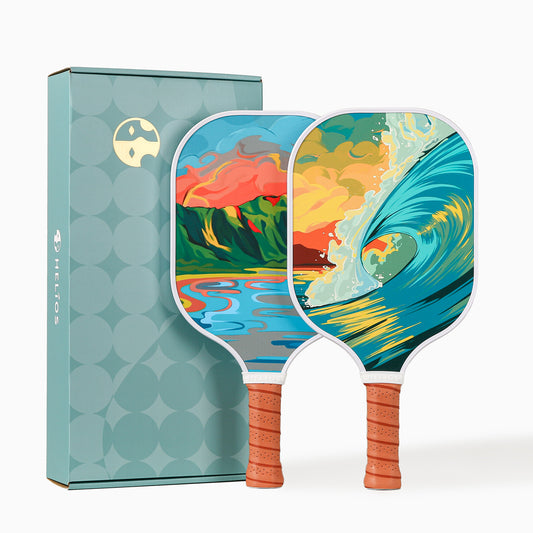
[[product:the-hawaii]]
TSA Officer Discretion
One caveat. TSA officers have final say at every checkpoint. Even though paddles are listed as allowed, an individual officer can flag any item that triggers concern based on shape, size, or X-ray appearance. This is rare with pickleball paddles, but it happens occasionally with oversized or unusually shaped gear.
How to avoid issues:
- Pack your paddle near the top of your bag so it can be pulled out quickly if asked
- Remove any bulky accessories (lead tape rolls, heavy clamps) that might look unusual on an X-ray
- If the officer asks what it is, "it's a pickleball paddle, it's sporting equipment" is all you need
No player has been denied boarding over a pickleball paddle by TSA, but being prepared for a quick visual inspection saves time in the security line.
Which Bags Work as Carry-On With a Paddle Inside
Can you bring pickleball paddle carry on without a special bag? Yes. A standard backpack, sling, tote, or duffle works as long as the bag fits within your airline's carry-on size limit. A pickleball paddle is about 16 inches long and 8 inches wide, well within every airline's dimensions.
Here is how common pickleball bag types measure against the standard carry-on limit of 22 x 14 x 9 inches:
| Bag Type | Typical Dimensions | Fits as Carry-On? |
|---|---|---|
| Sling bag | 20 x 11 x 6 inches | Yes, easily. Many fit as personal item under the seat |
| Backpack | 20 x 13 x 10 inches | Yes, but tight on depth. Pack lean |
| Tote bag | Flexible, compresses | Yes. Slides under seat or in overhead |
| Tour/duffle bag | 26 x 14 x 12+ inches | Often exceeds limits. Check or use Southwest |
The Helios On The Court Tote Bag is soft-sided and compresses to fit in the overhead bin or under the seat. A paddle set with two paddles, balls, and a case fits inside a sling or backpack without taking up the whole bag.
Budget Airlines Charge for Carry-Ons
- Spirit and Frontier charge $35 to $99 for any bag in the overhead bin.
- Their free personal item slot (roughly 18 x 14 x 8 inches) may fit a sling bag with one paddle, but anything larger requires the carry-on fee.
- Southwest remains the best airline for pickleball travelers: 24 x 16 x 10 inch carry-on limit plus 2 free checked bags on every fare.
How to Pack Your Paddle for a Flight
Flying with pickleball gear is less about whether you can bring it and more about protecting it during the trip. Your paddle is an investment, and overhead bins are not gentle places.
Protecting the Paddle Face
- Wrap the paddle face in a paddle cover or a microfiber towel.
- The face can pick up scratches from zippers, keys, shoes, or other items shifting during turbulence.
- A cover adds a few ounces and prevents surface damage that degrades spin and control over time.
- Performance paddles with textured carbon fiber faces are especially worth protecting since that surface grit is what generates spin.
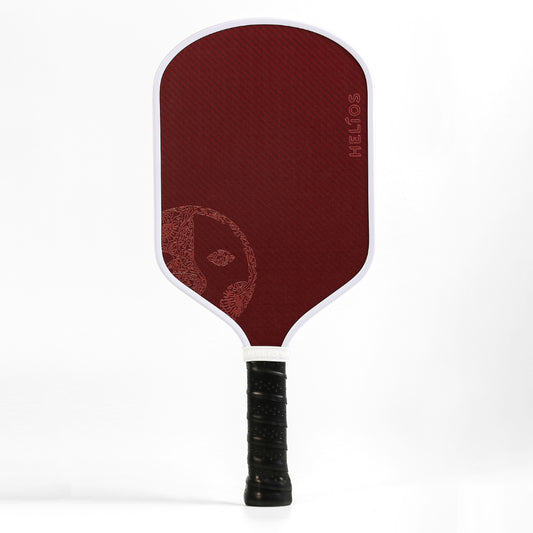
[[product:flare]]
Securing Loose Items
- Pickleballs, overgrips, and small accessories should go in zip pockets or a small pouch inside the bag.
- Loose balls rolling through the X-ray machine look odd on the screen and can slow down your screening.
- Contained gear screens faster.
Packing Order
- Paddle face wrapped in a cover, positioned flat against the back panel of the bag
- Balls and accessories in a zip pocket
- Clothes or towels cushioning the paddle from both sides
- Overgrip pack in an easy-access pocket (you may want a fresh wrap before your first session)
Keep a spare overgrip in your personal item so you can re-grip courtside without digging through your main bag.
International Flights and Pickleball Paddles
Domestic U.S. flights are clear: TSA allows paddles in carry-on. International flights add a layer of complexity because each country's security agency sets its own rules.
Countries Where Paddles Are Generally Allowed in Carry-On
Most countries follow similar sporting equipment guidelines. Canada (CATSA), the UK (Department for Transport), Australia (CASA), and EU member states typically allow paddles in carry-on. The paddle does not contain metal, sharp edges, or weight that triggers restricted-item classifications.
Where to Double-Check
Some countries with stricter security protocols may classify paddles differently.
- If you are flying to or through a country you have not traveled to before, check the local aviation security authority's "What Can I Bring" list before packing.
- When in doubt, check the paddle.
- Better to open your suitcase at baggage claim than lose your paddle at a foreign security checkpoint.
When Checking Your Paddle Makes More Sense
Carry-on is not always the best call. Check your paddle when:
- You are packing 3 or more paddles (coaching, backup, demo models)
- Your bag exceeds the airline's carry-on limit
- You are flying budget and the carry-on fee is higher than the checked bag fee
- You want zero risk at security on an international connection
If checking, use a padded bag and wrap each paddle individually. Cargo holds can drop below freezing at altitude. Extreme cold will not crack a paddle on a single flight, but repeated cold exposure over many trips can stress adhesives. A recreational paddle used as a travel backup protects your main paddle from checked-bag wear.
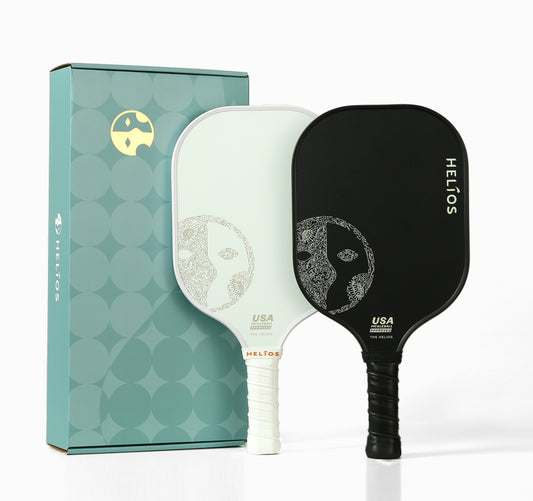
[[product:the-helios-pickleball-paddles]]
Fly Light, Play Right
Can you bring a pickleball paddle in your carry-on? Yes. TSA allows it. Every major U.S. airline allows it. The paddle fits inside any regulation-sized bag. Pack it wrapped, keep your gear contained, and walk through security like you are carrying a laptop.
If you are building a travel-ready setup, browse the Helios collection for paddles, accessories, and sets designed to go from the overhead bin to the court without missing a beat.
Frequently Asked Questions
Can I bring a pickleball paddle in my carry-on?
Yes. TSA classifies pickleball paddles as sporting equipment and permits them in both carry-on and checked luggage. A paddle is about 16 inches long and 8 inches wide, well within every airline's carry-on size limit.
Will the TSA take my pickleball paddle at security?
No. Paddles are listed as allowed items in TSA's database. In rare cases, an officer may ask you to pull the paddle out for a visual inspection, but paddles are not flagged, confiscated, or restricted. Pack it near the top of your bag for easy access.
Can I fly internationally with a pickleball paddle?
In most countries (Canada, UK, Australia, EU), paddles are allowed in carry-on under standard sporting equipment rules. For countries with stricter security, check the local aviation authority's approved items list before your trip.
What is the best bag for flying with pickleball gear?
A sling bag (around 20 x 11 x 6 inches) fits as a carry-on on every airline and may qualify as a personal item. A soft-sided tote like the Helios On The Court Tote compresses easily for overhead bins. Avoid tour bags over 24 inches unless you are flying Southwest.
Should I carry on or check my pickleball paddle?
Carry on if you have 1 to 2 paddles and minimal gear. Check if you are packing 3+ paddles, court shoes, and clothing. Use a padded bag for checked luggage. Southwest offers 2 free checked bags, making it the easiest option for larger setups.
Do pickleballs need to be removed at TSA screening?
No. Pickleballs are allowed through security without being removed from your bag. Pack them in a zip pocket to keep them from rolling loose during X-ray screening, which can slow down the process.