Will a Pickleball Bag Protect Your Paddle in Heat and Cold?
You finished your morning session, tossed your bag in the trunk, ran two errands, and came back 3 hours later. The car feels like an oven. Your paddle has been sitting in 140+ degree heat the whole time. Is it fine? Maybe. Maybe not.
A regular bag offers zero protection against extreme temperatures. A padded bag helps with impact. But does heat damage the paddle in the bag, if the bag is not insulated? Yes, it absolutely can. And cold is just as risky in the other direction. This guide covers what temperature does to your paddle, what your bag actually protects against, and what it does not.
What Heat Does to Your Paddle
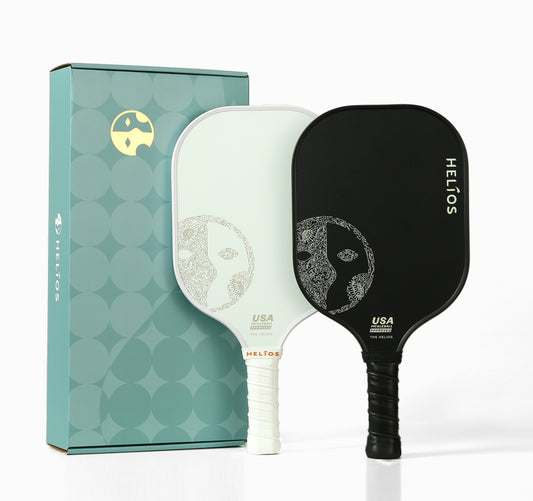
Heat is the fastest way to ruin a paddle without ever hitting a ball. A parked car with the windows closed can reach 140 to 160 degrees Fahrenheit on a summer day, well above the threshold where paddle materials start breaking down. The Helios paddle collection uses Toray T700 carbon fiber bonded to a reactive honeycomb core, backed by a lifetime warranty, but no paddle material is immune to sustained extreme heat.
Here is what happens inside your paddle when the temperature climbs:
| Component | What Heat Does |
|---|---|
| Adhesive bond (face to core) | Softens and weakens, leading to delamination |
| Polypropylene honeycomb core | Can warp or lose rigidity, changing the paddle's response |
| Paddle face (carbon fiber or fiberglass) | Surface can bubble, curve, or develop visible warping |
| Edge guard | Glue softens, guard lifts, creating gaps where moisture enters |
| Grip tape | Adhesive breaks down, grip becomes sticky and loose |
The damage from a single hot afternoon may not be visible. But repeated exposure accumulates. Each cycle of heat weakens the adhesive a little more until one day the face separates from the core and the paddle plays dead.
What Cold Does to Your Paddle
Cold gets less attention, but it causes a different kind of structural risk. Cold affects paddles in three ways:
- Carbon fiber and composite faces lose flexibility and become more prone to cracking on impact
- The polypropylene honeycomb core stiffens and can shatter on hard hits if the paddle has not been gradually warmed
- Grip tape hardens, loses tack, and becomes less responsive to hand pressure
If you play in cold weather or store your paddle in an unheated garage during winter, the paddle needs to warm gradually to room temperature before hard play. Taking a cold paddle straight from a 20-degree trunk to a fast rally is the setup for a cracked core.
What a Standard Bag Does and Does Not Protect
Most pickleball bags offer protection against one thing: physical impact. A padded paddle compartment prevents scratches, dings, and edge guard chips from zippers, shoes, or other items in the bag. That is the job a court tote or padded backpack does well.
[[product:the-helios-on-the-court-tote-bag]]
What a standard bag does not do:
- Block heat from a car trunk
- Insulate against cold temperatures
- Regulate humidity inside the compartment
- Prevent adhesive degradation from prolonged temperature exposure
A bag with a padded paddle compartment protects against scratches and impact. It does not protect against temperature. That distinction matters more than most players realize.
What an Insulated Pickleball Bag Actually Does
An insulated pickleball bag adds a thermal lining (usually reflective foil or closed-cell foam) around the paddle compartment. This lining slows the rate at which outside heat or cold reaches the paddle.
Here is the important detail: insulation buys you time, not immunity. A thermal-lined compartment might keep your paddle 20 to 30 degrees cooler than the trunk temperature for 30 to 60 minutes. After that, the interior temperature equalizes and the paddle is exposed to the full ambient heat.
An insulated bag is worth having if:
- You regularly leave your bag in the car for short periods (under 1 hour)
- You play outdoor tournaments with no shade for gear storage
- You live in a climate where summer trunk temperatures routinely exceed 120 degrees
It is not a substitute for bringing your paddle inside.
How to Protect Your Paddle From Temperature Damage
The best pickleball bag paddle protection comes from habits, not just gear. Combine a quality bag with these practices:
Carry the Bag Inside Every Time
The simplest rule. If you would not leave a dog or a laptop in the car, do not leave your paddle there either. Take your bag inside when you get home, into the office, into the restaurant. Every time.
Store at Room Temperature
The ideal storage range is 68 to 72 degrees Fahrenheit. A closet, a hall shelf, or a mounted paddle rack indoors keeps the paddle in its comfort zone between sessions.
Use a Paddle Cover Inside the Bag
A cover adds a second layer of insulation around the face and core. Paddle covers from the Helios accessories collection take up almost no space and provide both thermal buffer and scratch protection.
Replace Your Overgrip Regularly
Heat degrades grip adhesive faster than normal wear. If your overgrip feels tacky, loose, or sticky (instead of firm and cushioned), swap it. Fresh overgrips every 2 to 4 weeks maintain a secure hold without the grip tape peeling during play.
[[product:the-overgrip]]
Warm Up a Cold Paddle Gradually
If your paddle has been in a cold car, bring it inside and let it reach room temperature for 15 to 20 minutes before playing. Do not put it near a heater or use a hairdryer. Sudden temperature swings stress adhesives and composites more than gradual warming.
Rotate Between Paddles
A paddle set with two paddles spreads the wear and temperature exposure across two units. If one paddle has been in a hot bag all afternoon, use the other for your match. Rotating also extends the lifespan of both paddles.
Your Bag Handles Impact, Your Habits Handle Temperature
A padded paddle compartment protects against scratches and dings. That is what bags do best. Temperature protection comes from where you store the bag, how long it sits in extreme conditions, and whether you bring it inside after every session.
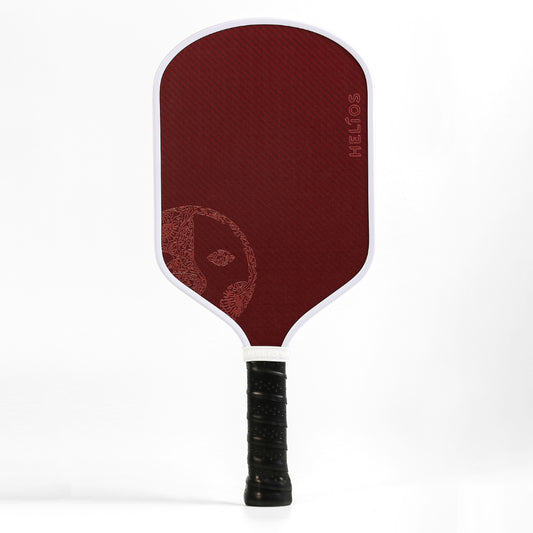
A performance paddle with Toray carbon fiber and a reactive honeycomb core is built to last, but only if you treat the materials with the care they need. Browse the Helios collection for paddles, covers, overgrips, and accessories that protect your gear from the first hit to the last.
Frequently Asked Questions
Does heat damage a pickleball paddle left in a car?
Yes. Car trunks can reach 140 to 160 degrees Fahrenheit, which softens the adhesive between the paddle face and core. Repeated exposure causes delamination, warping, and edge guard separation. Never leave your paddle in a hot car for extended periods.
Will an insulated bag prevent heat damage?
An insulated bag slows heat transfer but does not stop it. A thermal-lined compartment can keep your paddle 20 to 30 degrees cooler for about 30 to 60 minutes. Beyond that, the interior temperature equalizes. Insulation buys time but is not a substitute for storing your paddle indoors.
Can cold weather damage a pickleball paddle?
Yes. Extreme cold makes composite materials brittle and reduces flexibility. A cold paddle struck hard can develop core cracks or face damage. Let the paddle warm to room temperature gradually before playing.
What is the ideal storage temperature for a pickleball paddle?
68 to 72 degrees Fahrenheit. Store paddles in a climate-controlled indoor space, away from direct sunlight, heaters, and unheated garages. A closet or shelf inside your home is the safest spot.
Does a padded compartment protect against temperature?
No. A padded compartment protects against physical impact (scratches, dings, edge guard chips). It does not insulate against heat or cold. For thermal protection, look for bags with thermal-lined compartments or add a paddle cover for an extra buffer.
How often should I check my paddle for heat damage?
Run a tap test and visual inspection monthly if you play 2 or more times per week, or after any session where the paddle sat in a hot car. Look for surface bubbling, edge guard lifting, soft spots when pressed, or hollow sounds when tapped.