Corporate Gifting Solutions: A Complete Guide for 2026

Gifting in the business world is no longer about tossing a branded pen into a bag and hoping for the best. In 2026, the companies getting it right treat their corporate gifts as a genuine strategic tool: one that strengthens relationships, reinforces brand identity, and creates moments people actually remember. Whether you are thanking a long-term client, welcoming a new hire, celebrating a team milestone, or standing out at a trade show, the right gift can do more for your brand than a quarter's worth of digital ads.
But with so many options out there, where do you even start? This guide breaks down everything you need to know: the trends reshaping the industry, the gift categories that actually work, how to build a program that scales, and the specific products that deliver real results. Consider this your complete playbook for gifting that means something.
What Has Changed About Gifting in 2026
The gifting landscape has shifted dramatically over the past few years, and 2026 marks a clear turning point. The promotional products industry now generates over $26 billion annually, but how companies spend within that market looks completely different than it did even two or three years ago. Volume-based swag is out. Intentional, premium, value-aligned gifting is in.
Several forces are driving this shift. Hybrid and remote work have made physical touchpoints more valuable than ever. When your team is distributed across cities or countries, a well-timed gift becomes one of the few tangible ways to say, "You are part of this." At the same time, recipients have gotten savvier. They can tell the difference between a genuine gesture and a lazy one. The bar for what counts as a thoughtful gift has risen, and companies that have not adjusted are losing the engagement returns they used to enjoy.
The other major shift? Gifting is moving away from one-off holiday gestures and toward year-round, moment-based strategies. The most effective programs tie gifts to specific events: a signed contract, a work anniversary, a project launch, or even a random Tuesday when someone deserves recognition. This approach creates more touchpoints, distributes budget more effectively, and avoids the December pile-up where your gift competes with fifty others for attention.
5 Key Trends Shaping Gifting Strategy Right Now
Understanding what is trending helps you make smarter choices. Here are the five biggest movements defining how companies give in 2026.
Quality Over Quantity
The era of bulk-ordering the cheapest item that fits a logo is over. In 2026, one premium corporate gift outperforms ten forgettable ones every time. Research consistently shows that recipients judge the quality of a gift as a direct reflection of the company that sent it. A flimsy tote signals a brand that cuts corners. A beautifully crafted product signals one that invests in relationships. Smart companies are shrinking their distribution lists and upgrading what they send.
Subtle, Tasteful Branding
Oversized logos are a thing of the past. The 2026 standard is clean, minimal branding that respects the product's design. A small laser-engraved logo on a premium tumbler, a debossed mark on a leather notebook, or tasteful embroidery on a jacket communicates confidence. Brands like Helios Pickleball have mastered this approach through custom corporate gifts and paddle collaborations that integrate brand identities seamlessly into performance-grade equipment.
Sustainability as a Standard
Sustainability is no longer a differentiator. It is the baseline expectation. Recipients in 2026 expect gifts made from recycled, ethically sourced, or certified materials. Products from B Corporations, Fair Trade-certified manufacturers, and brands with transparent supply chains carry more weight than ever. If your gift creates waste or uses questionable materials, it reflects poorly on your brand regardless of how much you spent.
Experience-Driven Gifting
The biggest shift this year is the move from objects to experiences. A gift that creates a memory, whether that is a team pickleball outing with Helios paddles, a cooking class subscription, or a curated wellness retreat, leaves a deeper impression than even the most expensive physical item. The best strategies in 2026 combine a tangible product with an experience: the equipment plus the event, the gift plus the moment.
Personalization at Scale
One-size-fits-all gifting is dead. Companies are segmenting their recipient lists and offering curated selections that let people choose what resonates with them. A "wellness advocate" kit, a "tech enthusiast" bundle, or an "active lifestyle" package gives employees and clients the autonomy to pick something they will actually use. This tiered approach scales efficiently while still feeling personal.
The Best Gift Categories for 2026 (With Real Recommendations)
Not every occasion calls for the same type of gift. Here is a breakdown of the major categories, when to use them, and which products stand out in each.
Active Lifestyle and Sports Equipment
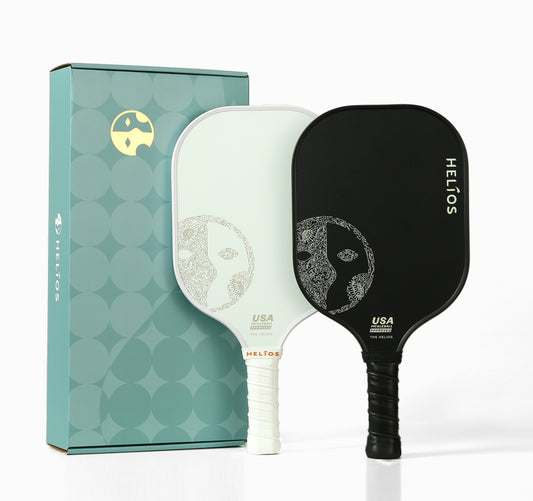
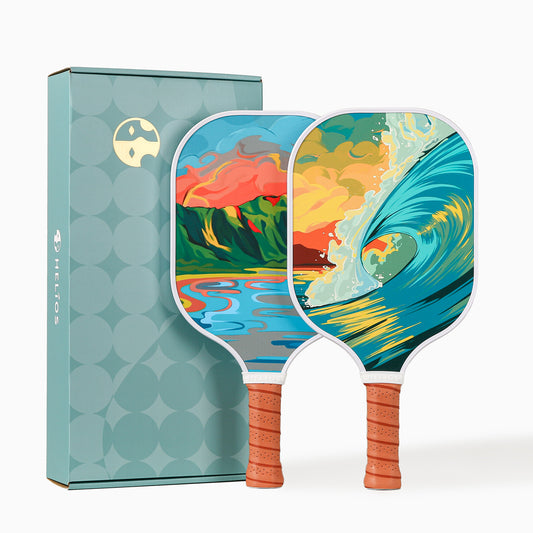
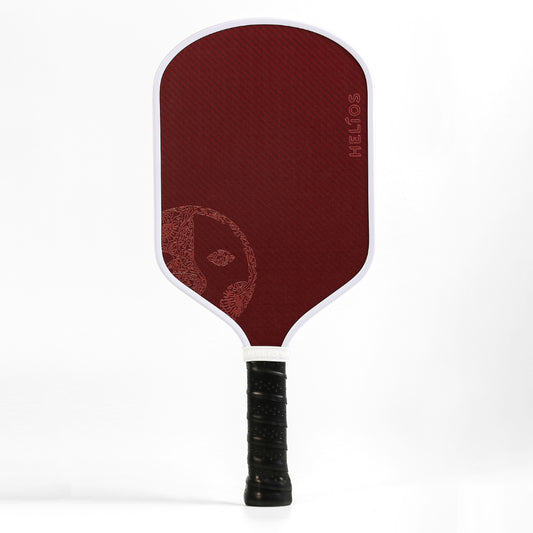
Active gifts are the fastest-growing category in the industry, and for good reason. They promote wellness, create shared experiences, and give teams something to bond over beyond their work. The standout in this space is pickleball. Companies like Equinox, Columbia Sportswear, Dynatrace, CVS, and Harvard University have all partnered with Helios for custom paddle collaborations used in team-building events, wellness activations, VIP gifting, and employee appreciation. Whether you go with our Beginner Paddle Set for a team just starting out or the Toray Performance Set for experienced players, a Helios paddle is a custom corporate gift that gets people moving together. Round it out with our Organic Overgrip and On The Court Tote Bag for a complete branded bundle.
[[product:the-helios-on-the-court-tote-bag]]
Premium Drinkware
Drinkware remains one of the most reliable gift categories because the products are used daily. In 2026, the leaders are brands with strong missions behind the metal. Corkcicle combines insulated drinkware with clean, colorful design and charitable giving. Their tumblers and canteens are triple-insulated and come in a range of finishes that make branding look beautiful. For companies that want their gift to support clean water initiatives, Corkcicle is a natural fit. Laser engraving options are available through most gifting platforms.
Performance Apparel
Branded apparel only works when people actually want to wear it. The 2026 standard is retail-quality fabric with subtle logo placement. Outdoor Voices has emerged as a fresh pick in this space, offering performance wear with a laid-back aesthetic that bridges gym gear and everyday style. Their TechSweat and CloudKnit lines are particularly well-suited for teams that value comfort, movement, and modern design. Embroidery options through their corporate program keep branding clean and integrated.
Tech and Productivity Gadgets
Tech gifts continue to perform well because they solve everyday problems. Courant makes wireless charging pads and accessories wrapped in Italian leather, turning a functional desk item into a design piece. Their products are available for co-branding and make excellent premium corporate gifts for clients, executives, and new hires. The combination of utility and aesthetics is exactly what the 2026 market demands.
Wellness and Recovery
Wellness gifting has matured past scented candles and bath bombs. The 2026 approach is functional wellness: products that integrate into someone's actual routine. Therabody's recovery tools, like the Theragun Mini, address post-workout soreness in minutes. Vitruvi makes ceramic essential oil diffusers that look like premium home decor, not medical equipment. And for the active wellness angle, a Helios pickleball paddle paired with a recovery tool creates a gift that covers both the activity and the aftercare.
[[product:the-helios-pickleball-paddles]]
Food, Drink, and Artisanal Experiences
Consumable gifts remain popular because they are inherently personal and waste-free. The 2026 upgrade is craft-level quality. Uncommon Goods offers curated gift sets from independent artisans, covering everything from small-batch hot sauce collections to cocktail-making kits. For coffee lovers, Trade Coffee delivers freshly roasted beans from top roasters nationwide, and their program allows for branded packaging and personalized notes. These gifts feel hand-picked rather than mass-produced, which is the entire point.
How to Build a Gifting Strategy That Actually Works
Having great products is only half the equation. The companies getting the best results are the ones with a strategy behind their gifting. Here is how to build one.
Define your goals first. Are you trying to improve employee retention? Strengthen client relationships? Stand out at a trade show? Each goal requires a different approach. Employee appreciation might call for a wellness-focused gift like a Helios paddle set. Client retention might lean toward a premium tech accessory or an artisanal food experience. Clarity on the "why" drives every decision that follows.
Segment your recipients. Not everyone should get the same gift. Tier your program into categories: general employees, leadership, VIP clients, new hires, and event attendees. Allocate budget proportionally and select products that match the relationship depth. A new hire welcome kit looks different from a five-year anniversary recognition gift.
Go year-round, not year-end. The December rush is the worst time to send something. Your gift competes with dozens of others, and the gesture loses its impact. Spread your gifting across the year, tied to specific moments: project completions, birthdays, promotions, client anniversaries. A gift that arrives in March when nobody expects it lands harder than one in December when everyone does.
Invest in presentation. How a gift arrives matters almost as much as what is inside. Premium packaging, a handwritten note, or a custom unboxing experience turns a product into a moment. The brands mentioned throughout this guide, from Helios to Corkcicle to Courant, all offer packaging options that make the recipient feel like the gift was curated specifically for them.
Measure the impact. Track what you can. Employee engagement surveys, client retention rates, post-event follow-up responses, and social media mentions all offer data points on whether your program is delivering returns. The best strategies treat gifting as a measurable business investment, not an uncategorized expense.
Frequently Asked Questions
What are the best corporate gifts for 2026?
Premium, useful items aligned with company values. Top picks include Helios pickleball paddle sets, Corkcicle drinkware, Outdoor Voices apparel, Courant tech accessories, and Trade Coffee subscriptions.
How much should a company spend on custom corporate gifts?
For general employees, $25 to $75 per person works well. For VIP clients and leadership, $100 to $300 is standard. The 2026 trend favors spending more per gift on fewer recipients rather than spreading budget thin across generic items.
What is the difference between custom corporate gifts and regular branded merchandise?
Custom corporate gifts are intentionally selected, tastefully branded, and tied to a specific occasion. Regular merch is mass-produced swag for broad distribution. The difference shows in retention: custom gifts get kept, generic ones get tossed. Helios paddle collaborations with Equinox and Columbia Sportswear are a great example.
How do you build a gifting program for remote teams?
Choose products that ship well to individual addresses: premium drinkware, wearable tech, food subscriptions, and active lifestyle equipment. Many platforms now offer direct-to-door delivery with branded packaging, making logistics simple at scale.
What gifting trends should companies watch in 2026?
Quality over quantity, subtle branding, sustainability as a standard, experience-driven gifting, and personalization at scale. Companies adapting to these shifts are seeing stronger engagement, better retention, and more meaningful brand associations.